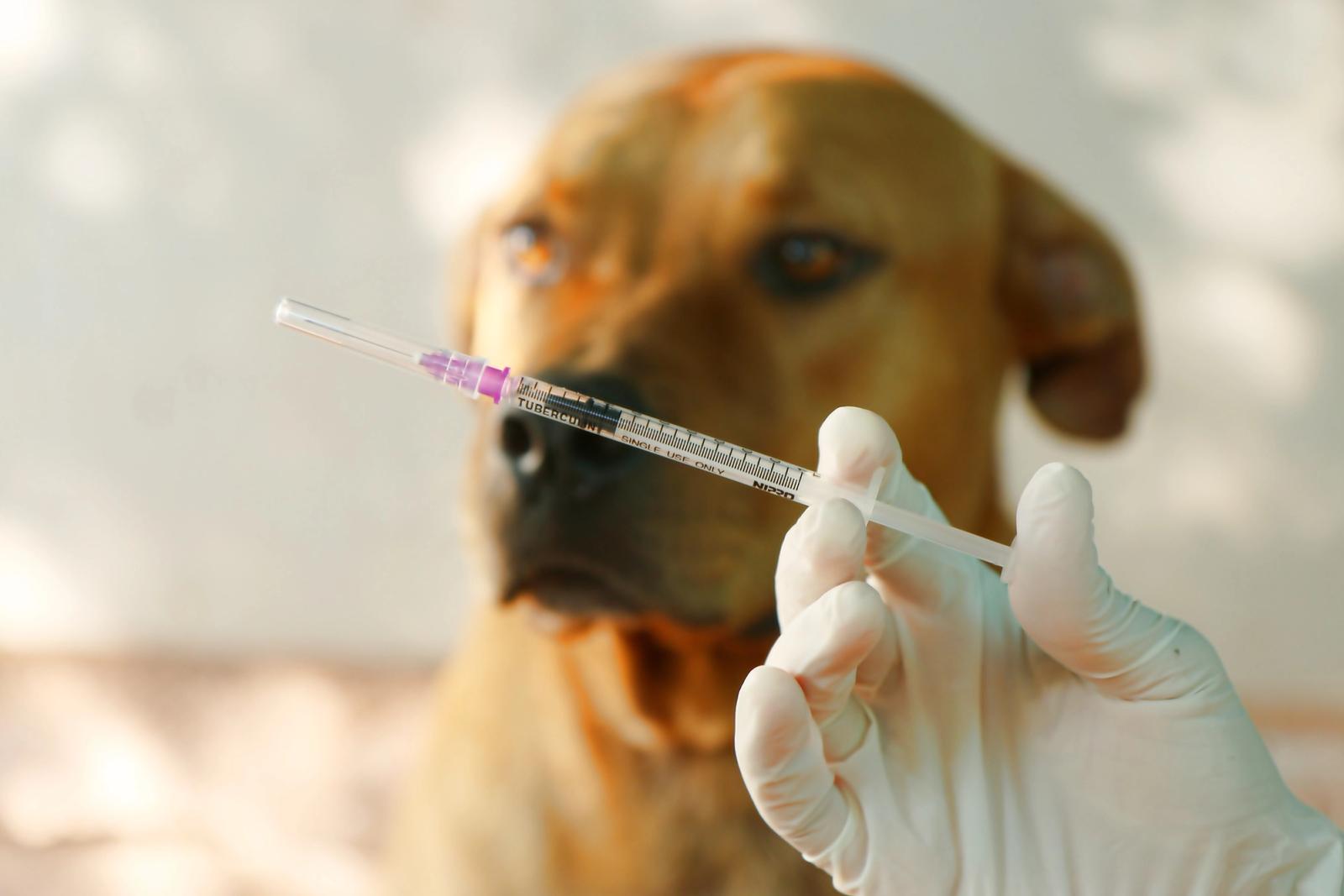
The World Health Organization has validated Bhutan as having eliminated dog-mediated human rabies as a public health problem, the first country in its South-East Asia Region to do it, after more than three years without a death.
Rabies is almost always fatal once symptoms begin. Almost all human cases, up to 99 percent of them, start with the bite or scratch of an infected dog, which is why the disease is fought in dogs rather than only in clinics. Bhutan has now gone more than three years without a single death from it. On 4 September 2026 the World Health Organization validated the country as having eliminated dog-mediated human rabies as a public health problem, the first in its South-East Asia Region to do so.
How we know
The validation is not a self-declaration. WHO's regional dossier review group, working with the World Organisation for Animal Health, ran a two-phase assessment and spent 17 to 22 August 2026 in the country, visiting health facilities from the national down to the sub-district level, inspecting laboratories, reading programme records, checking border areas and meeting the people who run the work. The bar, set at a WHO expert consultation in 2018, is what elimination as a public health problem means here: at least two years with no human deaths, plus evidence that the result can be held. That means surveillance that would spot a case, laboratories that can confirm one, dog vaccination still running, and prompt free access to post-exposure prophylaxis, the wound wash, vaccine and antibody course that stops the virus before it reaches the nerves. Bhutan's last death from dog-mediated rabies was in June 2023, and that free treatment after a bite is available in all 20 districts.
Why it matters
Rabies kills an estimated 59,000 people a year worldwide, most of them where the treatment is unaffordable or too far away. It is a neglected tropical disease, the kind of problem that yields to patient, unglamorous work rather than to a breakthrough, and Bhutan's work was done in dogs. Since the national programme accelerated under Royal Command in 2022, about 72,000 dogs have been sterilised as of June 2026, roughly 12 percent of them pets, alongside mass vaccination campaigns and the De-suung volunteers, the Guardians of Peace, who carried the effort into communities. That joining up of health ministry, livestock ministry and volunteers is what One Health means in practice, an approach that treats human, animal and environmental health as one system. WHO now counts 65 countries that have eliminated at least one neglected tropical disease. Bhutan's own inter-ministerial committee on One Health is aiming at zero human rabies cases by 2030, the same year as the global goal.
This is an elimination held in place, not a disease gone. WHO's criteria require Bhutan to keep free treatment after a bite and mass dog vaccination running, or the result lapses in practice. The southern border with India stays open to animals moving unregulated, so reintroduction is a live risk rather than a theoretical one. And Bhutan's own target of zero human rabies cases still sits at 2030.
What does eliminating dog-mediated rabies as a public health problem mean?
It means Bhutan has recorded no human deaths from dog-transmitted rabies for at least two years and has shown it can stop the disease returning. It does not mean the virus is gone from the country. WHO asks Bhutan to keep surveillance, dog vaccination and free treatment after a bite running in order to hold the result.
How was it verified?
WHO's regional dossier review group, working with the World Organisation for Animal Health, ran a two-phase assessment and spent 17 to 22 August 2026 in Bhutan. The team visited health facilities from national to sub-district level, inspected laboratories, read programme records and checked border areas before the validation was announced on 4 September 2026.
How did Bhutan do it?
The work was done in dogs rather than only in clinics, through mass vaccination campaigns and dog population management, with about 72,000 dogs sterilised by June 2026. Free treatment after a bite is available in all 20 districts, and De-suung volunteers carried the programme into communities. Bhutan has been fighting rabies since the 1970s, with the effort accelerating after the 2022 national programme.
What happens next?
Bhutan is running a third phase of its national programme, which aims to sterilise every stray dog and to microchip those already sterilised. The country's own target is zero human rabies cases by 2030, matching the global goal of zero dog-mediated human rabies deaths by that year.
Three verified stories, once a week.
Good news, checked against primary sources. Free.
Powered by Buttondown