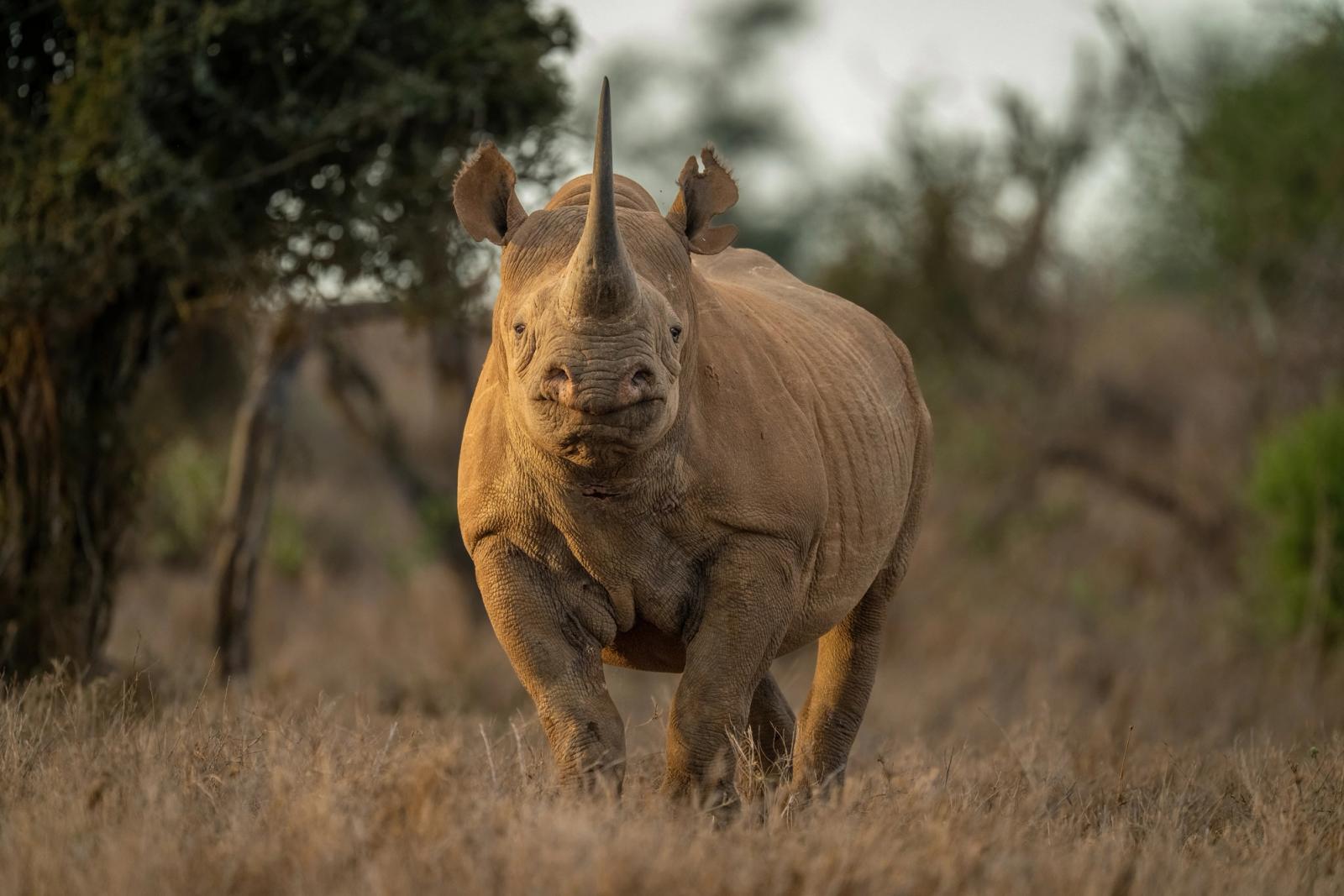
Africa's black rhinos grew 5.2% in a year and continental poaching fell to its lowest rate since 2011.
Africa's rhino story is usually told as a slow loss. The 2025 status report compiled for the world's governments tells a more complicated and more hopeful version: continental rhino poaching has fallen to its lowest rate since 2011, and the black rhino, still Critically Endangered, is growing again, up 5.2% in a single year, to 6,788.
How we know
The gains come from unglamorous, sustained work: anti-poaching and dehorning schemes, intelligence led enforcement and community engagement have made poaching harder and less profitable than it was at its mid-2010s peak, pulling the continental poaching rate down to 2.15%, its lowest since 2011. The progress is not confined to Africa: in India and Nepal, the greater one-horned rhino has climbed to 4,075 animals, up from 2,565 in 2007, as protected grasslands were restored and defended.
Why it matters
The honesty this story demands is real: total African rhino numbers actually fell 6.7% in 2024, because white rhinos, a different species, dropped 11.2%, and two other species, the Javan and Sumatran rhino, remain perilously close to extinction. So the accurate headline is narrow: black rhinos are recovering and the poaching tide has turned, not that rhinos are saved. The task now is to hold the line long enough for a Critically Endangered species to become merely endangered, and then something better than that.
Black rhinos remain Critically Endangered, and total African rhino numbers fell 6.7% in 2024 as white rhino numbers dropped. Javan and Sumatran rhinos are still on the edge of extinction. This is a turned tide, not a finished recovery.
How much have black rhinos recovered?
The black rhino, still Critically Endangered, grew 5.2 percent since 2023, to 6,788 by the end of 2024. Over the same period continental rhino poaching fell to 2.15 percent, its lowest rate since 2011.
What is driving the turnaround?
The gains come from sustained, unglamorous work: anti-poaching and dehorning schemes, intelligence-led enforcement and community engagement that made poaching harder and less profitable than at its mid-2010s peak. Dehorning in particular removes much of the incentive, and where it has been used well the killing has slowed.
Are all rhinos recovering?
No. Total African rhino numbers actually fell 6.7 percent in 2024, because white rhinos, a different species, dropped 11.2 percent, and the Javan and Sumatran rhino remain perilously close to extinction. The accurate headline is narrow: black rhinos are recovering and the poaching tide has turned, not that rhinos are saved.
Is the recovery only happening in Africa?
No. In India and Nepal, the greater one-horned rhino has climbed to 4,075 animals, up from 2,565 in 2007, as protected grasslands were restored and defended.
Three verified stories, once a week.
Good news, checked against primary sources. Free.
Powered by Buttondown