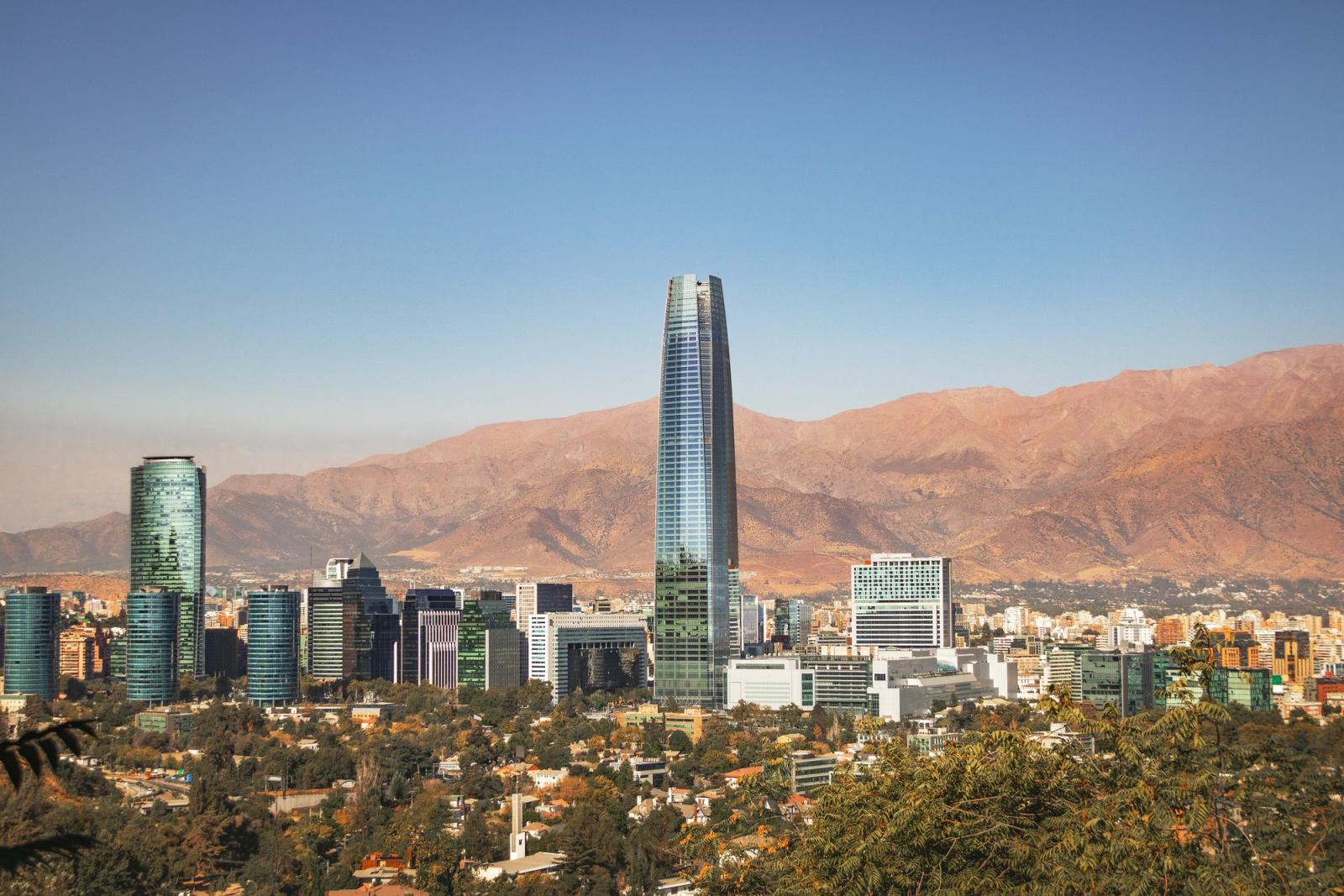
The WHO verified Chile's elimination of leprosy in March 2026, only the second country worldwide and the first in the Americas.
Leprosy is one of the oldest diseases humans have recorded, and one of the hardest to be rid of. On 4 March 2026, the World Health Organization verified Chile as having eliminated it, making the country only the second in the world after Jordan, and the first in the Americas, to reach that bar.
How we know
The evidence behind the verification is patient and specific: Chile reported 47 cases nationwide between 2012 and 2023, none of them locally acquired, and its last locally acquired case was in 1993, more than thirty years ago. With this, Chile becomes the 61st country globally, and the 6th in the Americas, to eliminate at least one neglected tropical disease. The path to verification is deliberately demanding: a country has to show it has broken local transmission and prove it, with surveillance strong enough to find any stray case and a health system ready to treat it without stigma.
Why it matters
The wording matters, and the WHO is careful with it: elimination does not mean the disease has vanished, it means a health system able to detect, treat and contain any case that appears, and surveillance must continue indefinitely, because leprosy still persists in more than 120 countries, with over 200,000 new cases reported each year. Held against that global total, Chile's achievement is a proof of method rather than a finish for the disease, a quieter and more durable kind of good news.
Elimination does not mean the disease is gone; it means a health system able to catch and contain any new case, and surveillance must continue indefinitely. Leprosy still persists in more than 120 countries, with over 200,000 new cases reported a year.
What did the WHO verify?
On 4 March 2026 it verified that Chile has eliminated leprosy, making it the second country in the world after Jordan and the first in the Americas. Chile is also the 61st country globally, and the 6th in the Americas, to eliminate at least one neglected tropical disease.
What evidence did Chile have to show?
It reported 47 cases nationwide between 2012 and 2023, none of them locally acquired, and its last locally acquired case was in 1993. Verification rests on that record together with a health system able to find and treat any case that turns up.
Does elimination mean leprosy is gone?
No. It means local transmission has been broken and the health system can catch and contain any new case. Chile has to keep sensitive surveillance, clinical expertise and a designated referral centre in place indefinitely, and leprosy still persists in over 120 countries with more than 200,000 new cases a year.
Three verified stories, once a week.
Good news, checked against primary sources. Free.
Powered by Buttondown