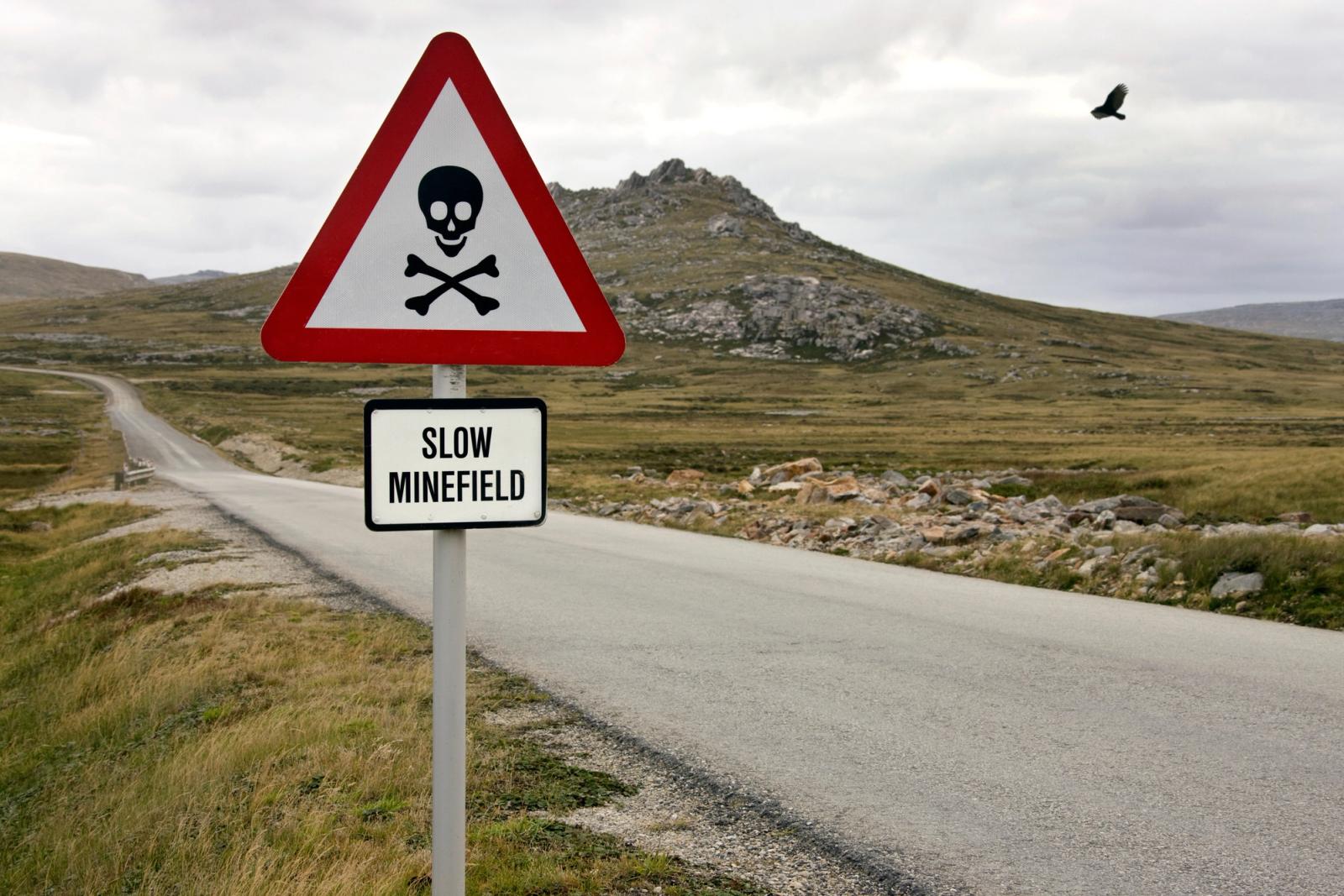
Croatia cleared the last of its landmines in March 2026, destroying nearly 107,000 mines across three decades.
For thirty years after its war ended, parts of Croatia's countryside stayed quietly lethal. On 9 March 2026 that ended: the country declared itself clear of landmines, becoming the 32nd nation to complete its clearance obligations under the Mine Ban Treaty, and the eighth in Europe, after finding and destroying nearly 107,000 landmines and about 470,000 items of unexploded ordnance.
How we know
The scale of the task is easy to understate. Suspected contaminated land was cut from around 13,000 square kilometres after the war to 1,174 square kilometres after careful survey, then cleared to zero, with people walking dangerous ground so farmers, walkers and children would not have to think about it again. Croatia paired that survey, which shrank the suspected area before anyone dug, with machine clearance, trained dogs and manual teams, the combination that took a task once measured in thousands of square kilometres and finished it, an approach other post-war countries can borrow.
Why it matters
Croatia's win runs against a worsening global picture: landmine casualties worldwide hit a four-year high of 6,279 in 2024, about 90% of them civilians, and monitors report states stepping back from the treaty, so one country finishing does not reverse that trend. But it does prove the work is finishable: a generation of patient, unglamorous clearance turned a lethal legacy, much of it farmland and forest, into ordinary land, worth marking and worth funding wherever the ground is still dangerous.
This is one country's win against a worsening global picture: landmine casualties hit a four-year high of 6,279 in 2024, about 90% of them civilians, and several states are stepping back from the treaty. It is not a global turnaround.
What did Croatia actually complete?
On 9 March 2026 it declared its mined areas safe again, becoming the 32nd state to complete its clearance obligations under the Mine Ban Treaty and the eighth in Europe. Along the way it found and destroyed almost 107,000 landmines and about 470,000 items of unexploded ordnance.
Why did it take almost thirty years?
Clearance is slow by design, because land can only be declared safe once people have surveyed and cleared it metre by metre. Croatia's deputy prime minister described it as almost 30 years of work to destroy all the anti-personnel mines in the country's mined areas.
Is the world getting safer from landmines?
No, the global picture is moving the other way. Landmine Monitor recorded 6,279 people killed or injured by mines and explosive remnants of war in 2024, the highest annual total since 2020, with civilians making up about 90 percent of them. It also reports five countries stepping away from the treaty.
Three verified stories, once a week.
Good news, checked against primary sources. Free.
Powered by Buttondown