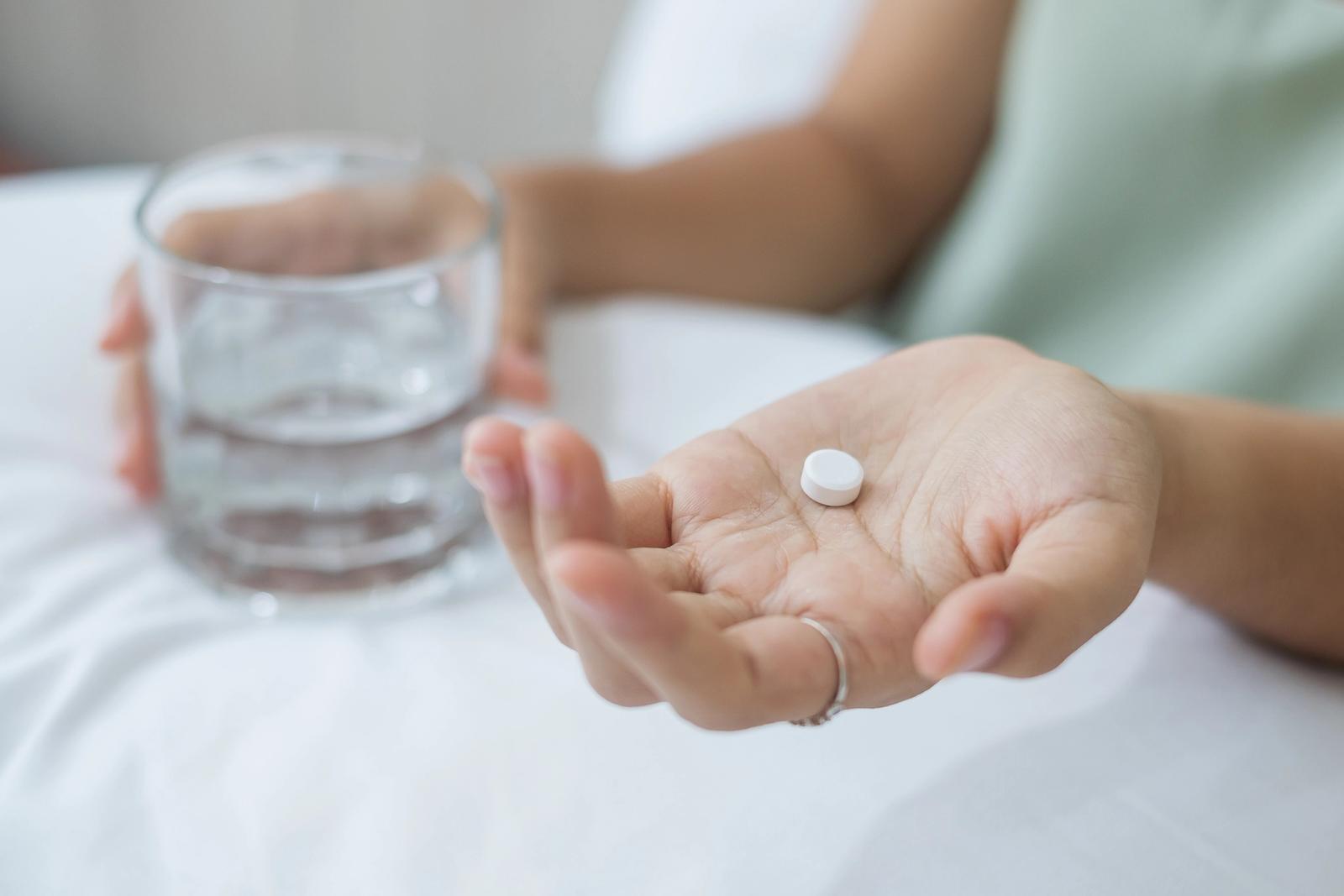
A once-daily tablet has become the first swallowable version of one of the most effective cholesterol drugs, lowering LDL cholesterol by about 56 percent in the trials that won it approval.
For the first time, one of the most effective cholesterol treatments comes as a pill. On 16 July 2026 the US Food and Drug Administration approved enlicitide, sold as Lipfendra, the first PCSK9 inhibitor that can be swallowed rather than injected. PCSK9 inhibitors block a protein that limits how much LDL cholesterol, the harmful cholesterol that builds up in artery walls, the liver can pull out of the blood. In the trials behind the approval, the once-daily tablet lowered LDL cholesterol by about 56 percent compared with a placebo.
How we know
The approval rested on two randomised, placebo-controlled trials in 3,207 adults with stubbornly high cholesterol who were already taking the highest statin dose they could tolerate. In the first trial, made up of people who had heart disease or were at high risk of it, the pill cut LDL cholesterol by about 56 percent against placebo at 24 weeks, from an average starting level of 96 mg/dL. In the second, limited to people with an inherited form of high cholesterol, it cut LDL by 59 percent. The larger trial, CORALreef Lipids, was published in the New England Journal of Medicine and followed 2,909 people; the rate of side effects was similar to placebo.
Why it matters
PCSK9 inhibitors are among the strongest cholesterol-lowering drugs, but until now they came only as injections given every few weeks, which puts many people off starting or staying on them. A daily pill that works about as well removes that barrier, and it could reach patients whose cholesterol stays high despite statins, the group most at risk of heart attacks and strokes. Making a strong treatment easier to take is often what decides whether proven science reaches the people who need it.
These results are cholesterol numbers, a marker of heart risk rather than proof of fewer heart attacks. The trials measured how far LDL cholesterol fell, not whether the pill prevents heart attacks, strokes or deaths, and that larger question is still being tested. Lipfendra is also a new branded medicine from Merck, so its price and how widely insurers will cover it are not yet clear.
What is a PCSK9 inhibitor?
PCSK9 is a protein that limits how much LDL cholesterol the liver removes from the blood, so blocking it lets the liver clear more. PCSK9 inhibitors are among the strongest cholesterol-lowering drugs, and until now they were available only as injections. Enlicitide is the first one that works as a daily pill.
How much does the pill lower cholesterol?
In the trial of people with or at high risk of heart disease, enlicitide lowered LDL cholesterol by about 56 percent compared with placebo after 24 weeks. In a separate trial of people with an inherited form of high cholesterol, it lowered LDL by 59 percent. Both trials enrolled adults already taking the highest statin dose they could tolerate.
Is it proven to prevent heart attacks?
Not yet. The trials measured how far LDL cholesterol fell, which is a marker of risk, rather than whether the drug prevents heart attacks, strokes or deaths. That larger outcome is still being tested.
Who approved it and when?
The US Food and Drug Administration approved enlicitide, brand name Lipfendra, on 16 July 2026, granting it Priority Review. It was approved for adults with high cholesterol or an inherited form of it, to be taken alongside diet and exercise. The approval went to Merck Sharp and Dohme.
Three verified stories, once a week.
Good news, checked against primary sources. Free.
Powered by Buttondown