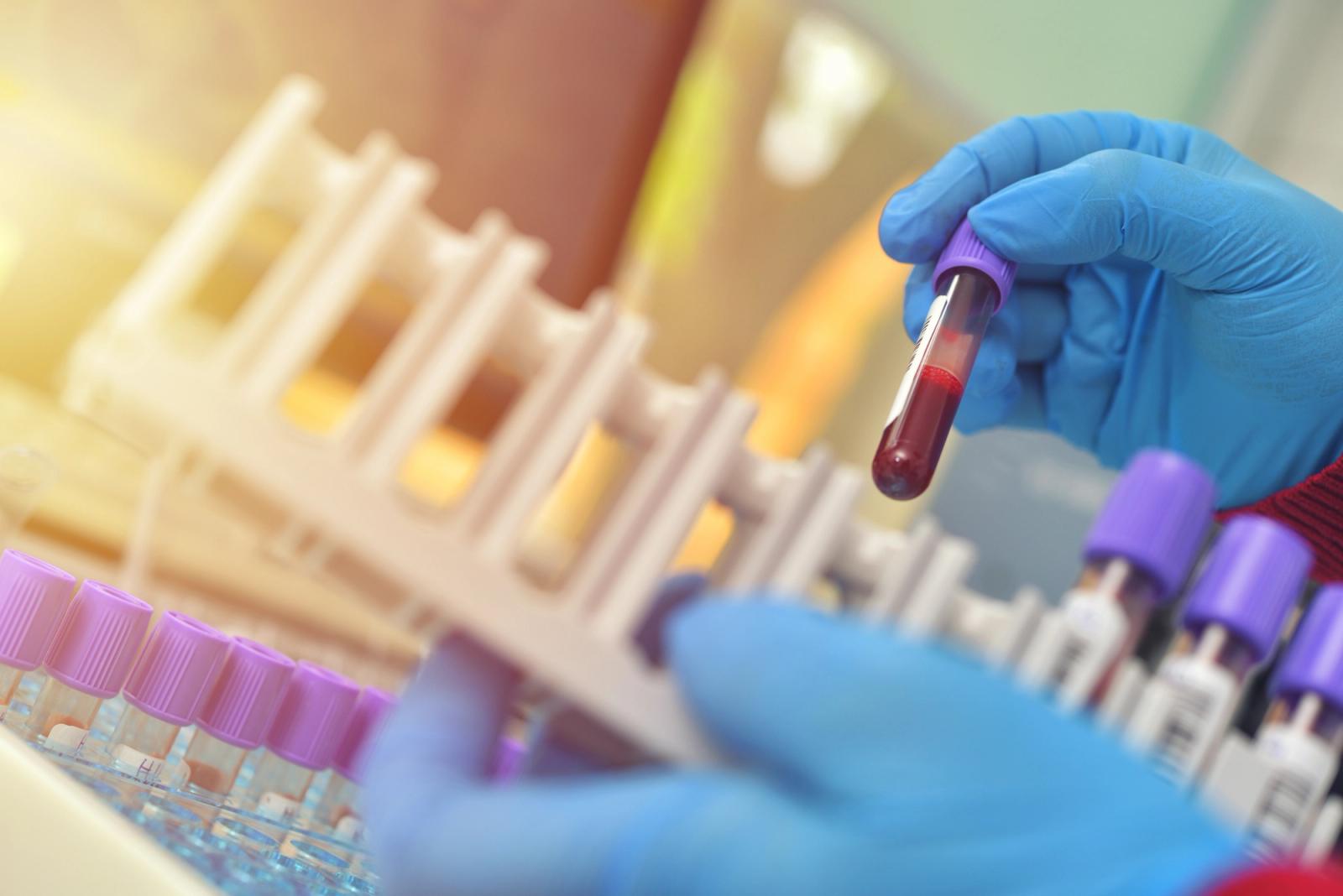
US regulators have cleared the first blood test to help diagnose Alzheimer's disease. In a study of 499 samples, it agreed with a brain scan or a spinal fluid test on 91.7 percent of its positive results and 97.3 percent of its negative ones.
For most of the history of Alzheimer's disease, the brain changes behind it could only be seen under a microscope, in brain tissue examined after death. Research later gave doctors two ways to look inside a living patient: a brain scan, or fluid drawn from the spine. On 16 May 2025 the US Food and Drug Administration cleared a third way. It is a blood draw.
The test, the Lumipulse G pTau217/β-Amyloid 1-42 Plasma Ratio made by Fujirebio Diagnostics, is the first device the FDA has cleared that tests blood to aid in diagnosing Alzheimer's. It looks for signs of amyloid plaques, clumps of a protein called beta-amyloid that collect between nerve cells in the brain and are a hallmark of the disease. It does this by measuring two proteins in plasma, the liquid part of the blood, one called pTau217 and the other beta-amyloid 1-42, and calculating the ratio between them. That ratio tracks whether plaques are present in the patient's brain.
The scale of the need is plain. Nearly 7 million Americans are living with Alzheimer's disease, according to the FDA, and that number is projected to rise to nearly 13 million. The agency's commissioner, Martin Makary, said the disease affects more people than breast cancer and prostate cancer combined.
How we know
Before clearing the test, the FDA evaluated a clinical study run at multiple centres on 499 plasma samples from adults who were cognitively impaired, meaning they already had problems with memory or thinking. Each sample was run through the blood test and compared with the established answer for that person: either an amyloid PET scan, a brain imaging scan that can show plaques, or a test of cerebrospinal fluid, which is collected from the spine through a lumbar puncture, also called a spinal tap.
The results held in both directions. Of the people whose blood test came back positive, 91.7 percent had amyloid plaques confirmed by the scan or the spinal fluid test. Of those whose result was negative, 97.3 percent had a negative scan or fluid result. Fewer than 20 percent of the 499 people tested received an indeterminate result, one that pointed neither way.
On that evidence the FDA concluded that the test can reliably predict the presence or absence of amyloid plaques at the time of the test in patients who are cognitively impaired. It reviewed the device through its 510(k) route, which clears a new device by showing that it is substantially equivalent to one already legally on the market. Here the comparison was Fujirebio's own Lumipulse G β-amyloid Ratio (1-42/1-40), an earlier test that uses spinal fluid. The blood test had also been granted Breakthrough Device designation, a process meant to speed the development and review of devices for life-threatening or irreversibly debilitating conditions.
Blood tests for Alzheimer's were not new in themselves. MedTech Dive reports that Labcorp and Quest Diagnostics began offering laboratory-developed tests for the same markers earlier in 2025. Those tests were not cleared by the FDA; the Fujirebio test is the first that has been.
Why it matters
Both older routes carry a cost. The FDA describes PET scans as costly and time-consuming, and they expose patients to radiation. Spinal fluid can only be collected through an invasive procedure. A blood draw needs neither, which the agency says makes the new test less invasive and much easier for patients to access.
The timing matters more than it once would have. The National Institute on Aging reports that two drugs aimed at beta-amyloid now have full FDA approval for early Alzheimer's; they help reduce amyloid plaques, and studies have shown they can slow the decline in memory and thinking in some people. MedTech Dive reports that these drugs, Leqembi from Eisai and Biogen and Kisunla from Eli Lilly, have raised interest in tests that help doctors reach a diagnosis sooner, and that people who test negative on a blood test may be able to skip the spinal fluid test and the PET scan altogether.
Makary noted that 10 percent of people aged 65 and older have Alzheimer's, and that by 2050 that number is expected to double. A blood test does not change that arithmetic. What it changes is the cost of the first question, whether plaques are there at all, which can now be asked with a needle in the arm. For now the test is meant for specialist care settings. Whether it reaches the ordinary clinics where people first describe their symptoms is the question that comes next.
This is not a screening test. It is cleared only for adults aged 55 and over who already show signs of cognitive decline in a specialist setting, and results must be read alongside other clinical information. Fewer than 20 percent of people tested got an indeterminate result. False positives could lead to unnecessary treatment and distress, false negatives could delay effective treatment, and plaques can occur in other diseases too.
Can I take this test if I am worried about my memory but have no symptoms?
No. The FDA cleared it only for adults aged 55 and over who already show signs and symptoms of cognitive decline, seen in a specialist care setting. It is not intended as a screening test for people without symptoms.
Does a positive result mean I have Alzheimer's?
Not on its own. The test detects signs of protein clumps in the brain that are a hallmark of Alzheimer's but can also occur in other diseases, and the FDA says results must be interpreted alongside other clinical information. In the study, 91.7 percent of positive results were confirmed by a PET scan or a spinal fluid test.
What happens if the result is indeterminate?
An indeterminate result points neither way, and fewer than 20 percent of the 499 people in the study received one. The FDA says the test is not a stand-alone diagnostic, and that other clinical evaluations or additional tests should be used to decide on treatment.
Why does a blood test matter if brain scans and spinal taps already work?
The FDA describes PET scans as costly and time-consuming, and they expose patients to radiation, while spinal fluid is collected through an invasive lumbar puncture. A blood draw is less invasive and easier to access, and MedTech Dive reports that people who test negative may be able to skip those tests.
Three verified stories, once a week.
Good news, checked against primary sources. Free.
Powered by Buttondown