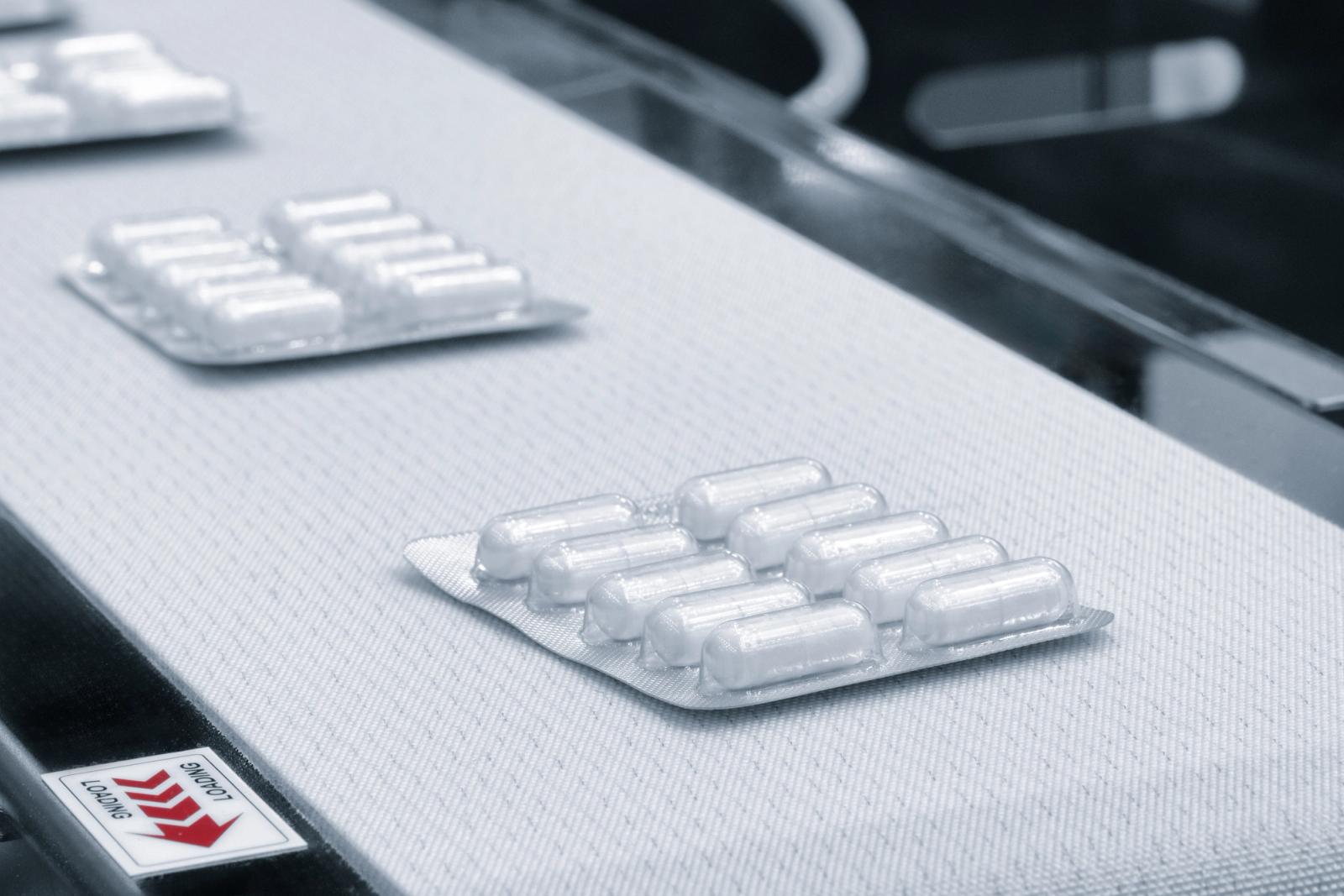
Two doses of a tablet cleared gonorrhoea from 92.6 percent of patients in a 628-person trial, against 91.2 percent for the standard injection and tablet. US regulators approved it in December 2025.
Gonorrhoea has been running out of drugs. One after another, the antibiotics that used to cure it have stopped working, worn down by antimicrobial resistance, in which the bacteria change until the medicine no longer kills them. The World Health Organization now describes a single injected antibiotic, ceftriaxone, as the last remaining option for first-line treatment. Now there is a second. Gepotidacin, a tablet sold as Blujepa, cleared the infection from 92.6 percent of patients in a trial of 628 people, against 91.2 percent for the standard injection and tablet, and it is the first antibiotic of a new class to reach patients.
How we know
The trial, called EAGLE-1, randomly assigned 628 people with suspected gonorrhoea between October 2019 and October 2023 to one of two treatments: two 3,000 mg doses of gepotidacin swallowed about 12 hours apart, or the standard combination of a ceftriaxone injection and an azithromycin tablet. The main result was measured in the 406 patients whose first sample grew bacteria that ceftriaxone could still kill, and success meant that a culture taken four to eight days later found none left. The trial was built to test non-inferiority, which asks whether a new treatment is not materially worse than the established one rather than whether it beats it. After adjusting for sex and sexual orientation the two came out 0.1 percentage points apart, in the injection's favour, well inside the 10-point margin set before the trial began, so gepotidacin was judged non-inferior. The results were published in The Lancet in May 2025, and the US Food and Drug Administration added gonorrhoea to the drug's label that December. GSK paid for the trial with support from the US government's Biomedical Advanced Research and Development Authority.
Why it matters
The World Health Organization counted an estimated 82.4 million new gonorrhoea infections in 2020 among people aged 15 to 49. Left untreated it can cause infertility in both men and women, it raises the risk of catching and passing on HIV, and babies born to infected mothers can develop an eye infection that ends in blindness if it is not treated. For an infection that common, resting on one last-line drug is a thin margin, and antimicrobial resistance has already taken the other first-line options away. A second treatment that works by a different route takes the pressure off ceftriaxone, and because it is swallowed rather than injected it can be taken without a visit for the jab. How long it stays useful is an open question, and partly a choice: the label instructs that the drug be used only where the infection is known or strongly suspected to be susceptible, which is how a new antibiotic's working life is stretched rather than spent.
The trial showed non-inferiority, not superiority: the tablet was not materially worse than the injection, which is a different claim from working better. The US approval is narrow, covering only patients who have limited or no alternative options, and the regulator notes it rests on limited safety data. Throat infections are the weak spot, cleared in 14 of 18 cases, or 77.8 percent, against 16 of 17, or 94.1 percent, for the standard treatment, though both figures rest on very few patients. Side effects were also more common with the tablet, mostly stomach and bowel problems that were mild or moderate, and the trial group was 92 percent male, so it says less about how the drug performs in women.
How well did the tablet work?
In the EAGLE-1 trial, two doses of gepotidacin cleared gonorrhoea from the genital tract in 92.6 percent of patients, against 91.2 percent for a ceftriaxone injection plus an azithromycin tablet. After adjusting for sex and sexual orientation the two were 0.1 percentage points apart, inside the 10-point margin agreed in advance. That makes the tablet non-inferior, which means not materially worse rather than better.
Why does a new gonorrhoea antibiotic matter?
The World Health Organization describes ceftriaxone as the last remaining option for first-line treatment, and infections that resist it have been confirmed in Australia, France, Japan, Sweden and the United Kingdom. WHO estimated 82.4 million new gonorrhoea infections in 2020 among people aged 15 to 49. A second working drug takes pressure off the only one left.
Who can be prescribed it?
The US label covers adults and children aged 12 and over who weigh at least 45 kg and who have limited or no alternative treatment options. The dose is four 750 mg tablets, then the same again about 12 hours later, taken after a meal to reduce stomach upset. The regulator notes that this approval rests on limited safety data.
Did it work everywhere in the body?
Not equally. It matched the standard treatment in the genital tract and cleared all 26 rectal infections tested, against 12 of 15 for the comparison group, but in the throat it cleared 14 of 18, or 77.8 percent, against 16 of 17, or 94.1 percent. Those throat and rectal groups were small, so their figures carry more uncertainty than the main result.
- The Lancet, Oral gepotidacin for the treatment of uncomplicated urogenital gonorrhoea (EAGLE-1): a phase 3 randomised, open-label, non-inferiority, multicentre study Primary
- US Food and Drug Administration, BLUJEPA (gepotidacin) tablets, US prescribing information, NDA 218230, revised December 2025
- ClinicalTrials.gov, EAGLE-1 trial record and posted results (NCT04010539)
- World Health Organization, Multi-drug resistant gonorrhoea
- World Health Organization, Gonorrhoea (Neisseria gonorrhoeae infection)
Three verified stories, once a week.
Good news, checked against primary sources. Free.
Powered by Buttondown