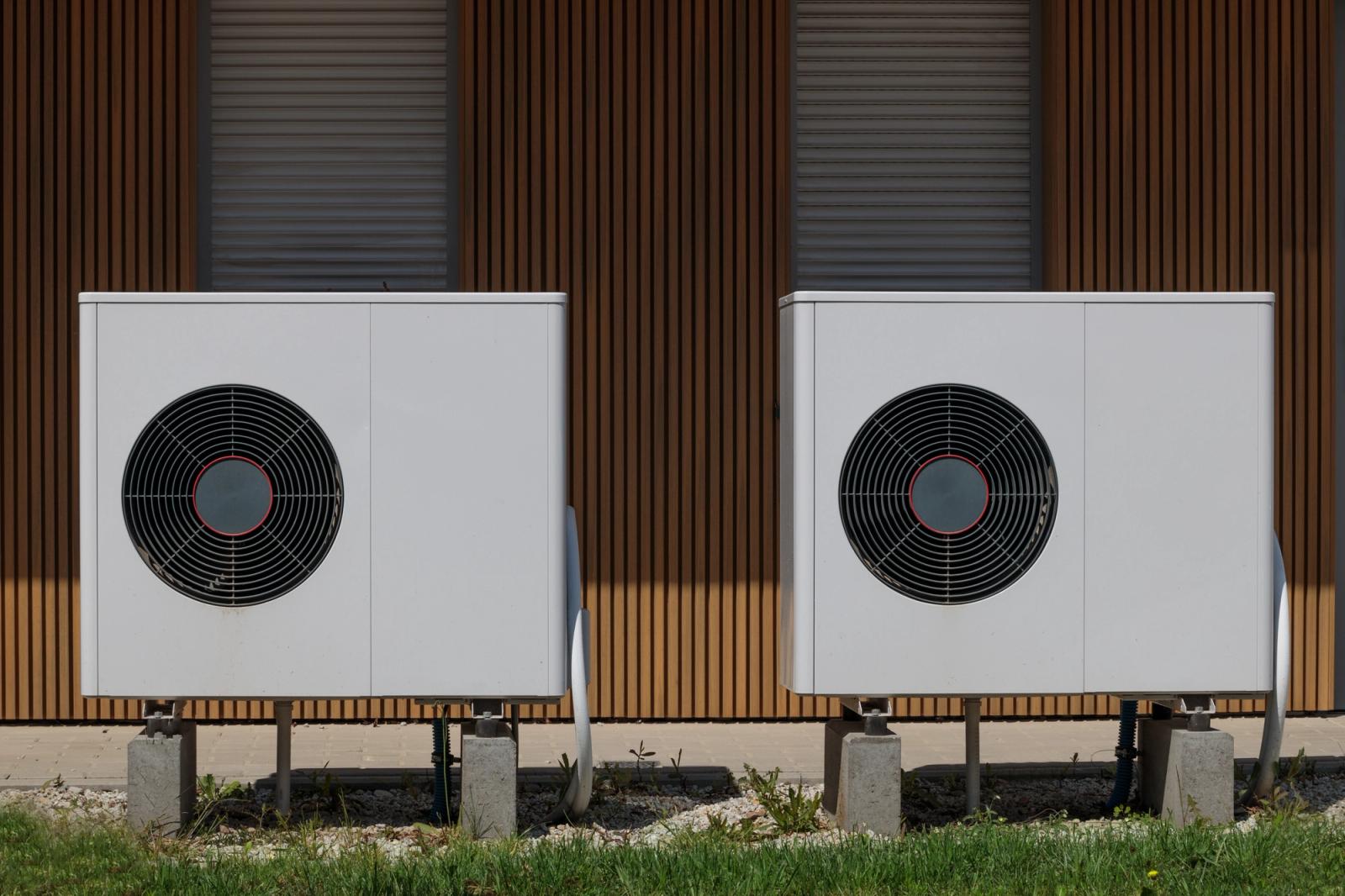
Of the roughly 58,900 residential buildings finished in Germany in 2025, 73.6 percent rely mainly on a heat pump, up from 31.4 percent in 2015. Gas, the main heating in just over half of new buildings a decade ago, fell to about one in ten.
In 2015, just over half of the new residential buildings finished in Germany were heated mainly with gas. In 2025, 10.5 percent were. The rest of the change went to one machine. Of the roughly 58,900 residential buildings completed last year, 73.6 percent rely mainly on a heat pump, a device that uses electricity to move heat from the outside air, the ground or water into a building instead of burning fuel to make it. Ten years earlier, the share was 31.4 percent of about 105,600 buildings. Only 190 new buildings went up with oil as their main heating.
How we know
The figures come from Germany's Federal Statistical Office, Destatis, which published them on 10 June 2026. They rest mainly on reports from the local building authorities that were available to the state statistical offices in early May 2026, plus some reports from builders, and they count buildings rather than the individual homes inside them. The rise has been steady rather than sudden: in 2024 the heat pump share was 69.4 percent of about 76,100 completions. It differs by type of building. Heat pumps were the main heating in 77.9 percent of new single family houses and 78.4 percent of two family houses, but in only 52.7 percent of new buildings with three or more homes. Behind heat pumps came gas at 10.5 percent and district heating networks at 8.3 percent. Counting every renewable source as the main heating, including wood pellets and solar thermal panels, the share reached 78.2 percent, up from 38.0 percent in 2015, and 85.2 percent of new buildings used renewables at least as a supplementary source. The trade newspaper ZfK reported the same figures from the same release.
Why it matters
A heating system chosen at construction tends to stay for decades, so each new building that skips gas is one that will not need to be converted later. The pipeline points further in the same direction. Of about 62,100 residential buildings approved for construction in 2025, 83.0 percent plan a heat pump as their main heating and 2.2 percent plan gas. The efficiency case is plain: the International Energy Agency puts the heat pumps on the market today at three to five times more energy efficient than natural gas boilers, because they move heat rather than generate it. Germany is not an outlier. The European Heat Pump Association reports that heat pumps made up almost half of all heat generators sold in Germany last year, a record, while sales across 16 European countries rose 10.3 percent to about 2.62 million, up from 2.38 million in 2024. New buildings are the part of the problem that is easiest to solve. The existing stock, still heated mostly by gas and oil, is where the next decade's work lies, and whether it follows is the open question.
These are new buildings only, a small slice of the whole. In the existing stock, counted in the 2022 census, gas was still the main heating in 53.9 percent of residential buildings and oil in 24.7 percent, against 4.2 percent for heat pumps and similar sources. Larger new blocks lag too: 52.7 percent in buildings with three or more homes. And the figures count buildings, not the homes inside them.
Does this mean most German homes now use heat pumps?
No. These figures cover only buildings completed in 2025. In the existing stock, counted in the 2022 census, gas was still the main heating in 53.9 percent of residential buildings, and heat pumps and similar sources in 4.2 percent.
Why are heat pumps less common in apartment buildings?
Destatis does not give a reason. The trade newspaper ZfK, reporting the same figures, attributes the lower 52.7 percent share in new buildings with three or more homes to more complex installation and higher costs. In new single family houses the share was 77.9 percent.
Will the trend continue?
Building permits point that way. Of about 62,100 residential buildings approved in 2025, 83.0 percent plan a heat pump as their main heating and 2.2 percent plan gas. Permits are plans rather than finished buildings, so later completion figures will show whether they hold.
Where do these figures come from?
Germany's Federal Statistical Office, Destatis, published them on 10 June 2026. They rest mainly on reports from local building authorities available to the state statistical offices in early May 2026, so late reports can still be added.
- Statistisches Bundesamt (Destatis), Rund drei Viertel der im Jahr 2025 errichteten Wohngebäude heizen mit Wärmepumpen (Press release N038) Primary
- ZfK (Zeitung für kommunale Wirtschaft), Wärmepumpe dominiert, Gas fast Geschichte (Destatis)
- European Heat Pump Association (EHPA), Heat pump sales testify to government action
- International Energy Agency, The Future of Heat Pumps: Executive summary
Three verified stories, once a week.
Good news, checked against primary sources. Free.
Powered by Buttondown