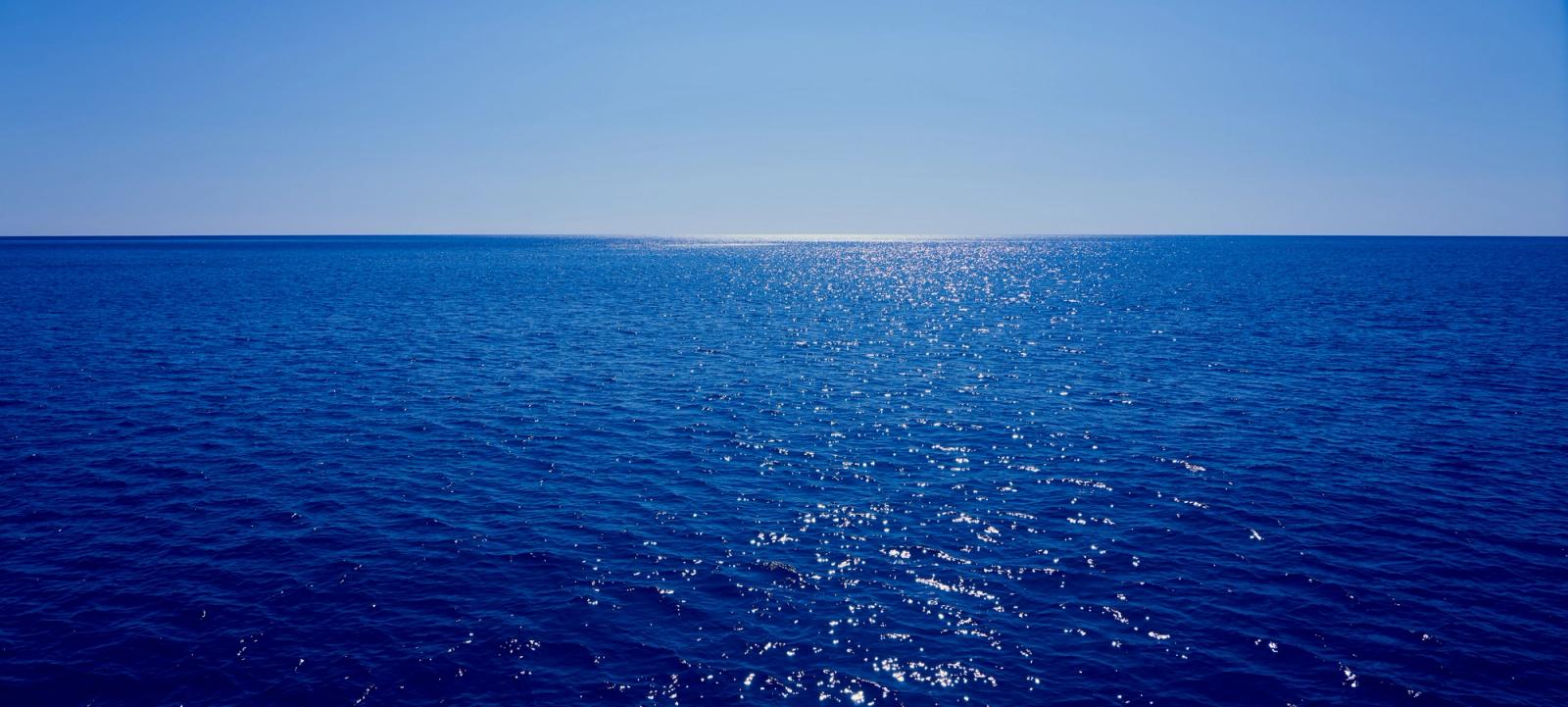
The agreement on biodiversity beyond national jurisdiction, known as the BBNJ Agreement, is the first legally binding instrument for conserving marine life in the two thirds of the ocean that lies beyond any country's control. It entered into force on 17 January 2026, and the United Nations register now lists 93 parties, up from the 60 ratifications that triggered it.
Two thirds of the ocean's surface lies beyond the reach of any country's law, and by volume that water holds more than 90 percent of the habitat available to life on Earth. No state can protect it alone. On 17 January 2026 the BBNJ Agreement entered into force, the first legally binding instrument for conserving marine life in the high seas, the parts of the sea that lie outside every country's coastal waters. Ninety-three parties have now ratified, approved or acceded to it, formally consenting to be bound by it, up from the 60 ratifications that set the clock running.
How we know
The count is the United Nations Treaty Collection's, the official register the UN keeps for this treaty. It records entry into force on 17 January 2026, 120 days after the sixtieth instrument of ratification was deposited, and as of 30 August 2026 it lists 145 signatures against 93 parties. The distance between those two numbers is the part that matters. Signing this kind of treaty confirms the text and keeps a country in the process, but ratifying is the act that binds. France ratified in February 2025, the European Union approved the agreement in May, Japan and China joined that December, and the United Kingdom followed in July 2026. The final two ratifications needed to trigger entry into force, the IUCN records, came from Sierra Leone and Morocco. The United States signed in September 2023 and has not ratified. India signed in September 2024 and has not ratified. Russia does not appear on the register at all.
Why it matters
What the agreement carries is a set of powers the high seas have never had. It establishes the means to create marine protected areas beyond national jurisdiction and requires environmental impact assessments, bringing activity such as unregulated fishing and deep-sea mining under a shared regime, and it sets terms for sharing the benefits of marine genetic resources and the science behind them with developing countries. None of that starts by itself. The first Conference of the Parties, the meeting at which the members will settle how the treaty runs, has to meet within a year of entry into force, which means by 17 January 2027. Ratifying is the part a country can do on its own. Everything the treaty was written for happens after that.
A treaty in force is a mechanism, not a protected area. The agreement establishes the means to create marine protected areas in the high seas, and no such area exists under it yet, because its members have not held their first Conference of the Parties; that meeting has to happen by 17 January 2027 and it is the one that will settle how the treaty operates. Three states with long reach at sea are outside the agreement: the United States and India have signed without ratifying, and Russia is not on the register. What exists today is the legal route and 93 parties who have agreed to be bound by it.
What are the high seas?
They are the parts of the sea that lie outside every country's coastal waters. The United Nations Convention on the Law of the Sea defines them by exclusion, as everything not inside a state's internal waters, territorial sea, archipelagic waters or exclusive economic zone. That is about two thirds of the ocean's surface, and more than 90 percent of the planet's habitat by volume.
Why does the number of parties matter more than the number of signatures?
Signing a treaty of this kind confirms the text and shows a country means to carry on with the process, but it does not create the obligation. Ratification is the act by which a state consents to be bound, which is why the register lists 145 signatures against 93 parties. Sixty of those ratifications were needed before the agreement could enter into force at all.
Can a marine protected area be created in the high seas now?
Not yet. The agreement establishes the means to create protected areas beyond national jurisdiction, but its members have not held their first Conference of the Parties, which has to meet within a year of entry into force, and so by 17 January 2027. The IUCN describes that meeting as the one responsible for the long-term effectiveness of the agreement.
Which large countries are not part of it?
The United States signed the agreement in September 2023 and India signed in September 2024, and neither has ratified, so neither is bound by it. Russia does not appear on the depositary register as a signatory or a party. The 93 parties do include the European Union, China, Japan and the United Kingdom.
- United Nations Treaty Collection, Agreement under UNCLOS on the Conservation and Sustainable Use of Marine Biological Diversity of Areas beyond National Jurisdiction, status Primary
- IUCN, High Seas Treaty achieves milestone of 60 ratifications, paving the way for ocean protection
- European Commission, European Maritime Spatial Planning Platform, UN High Seas Treaty, ratified by 60 countries, to enter into force in January 2026
- United Nations, United Nations Convention on the Law of the Sea, Part VII, High Seas
- United Nations Treaty Collection, Glossary of terms relating to treaty actions
- United Nations Department of Economic and Social Affairs, International marine protection treaty comes into force
Three verified stories, once a week.
Good news, checked against primary sources. Free.
Powered by Buttondown