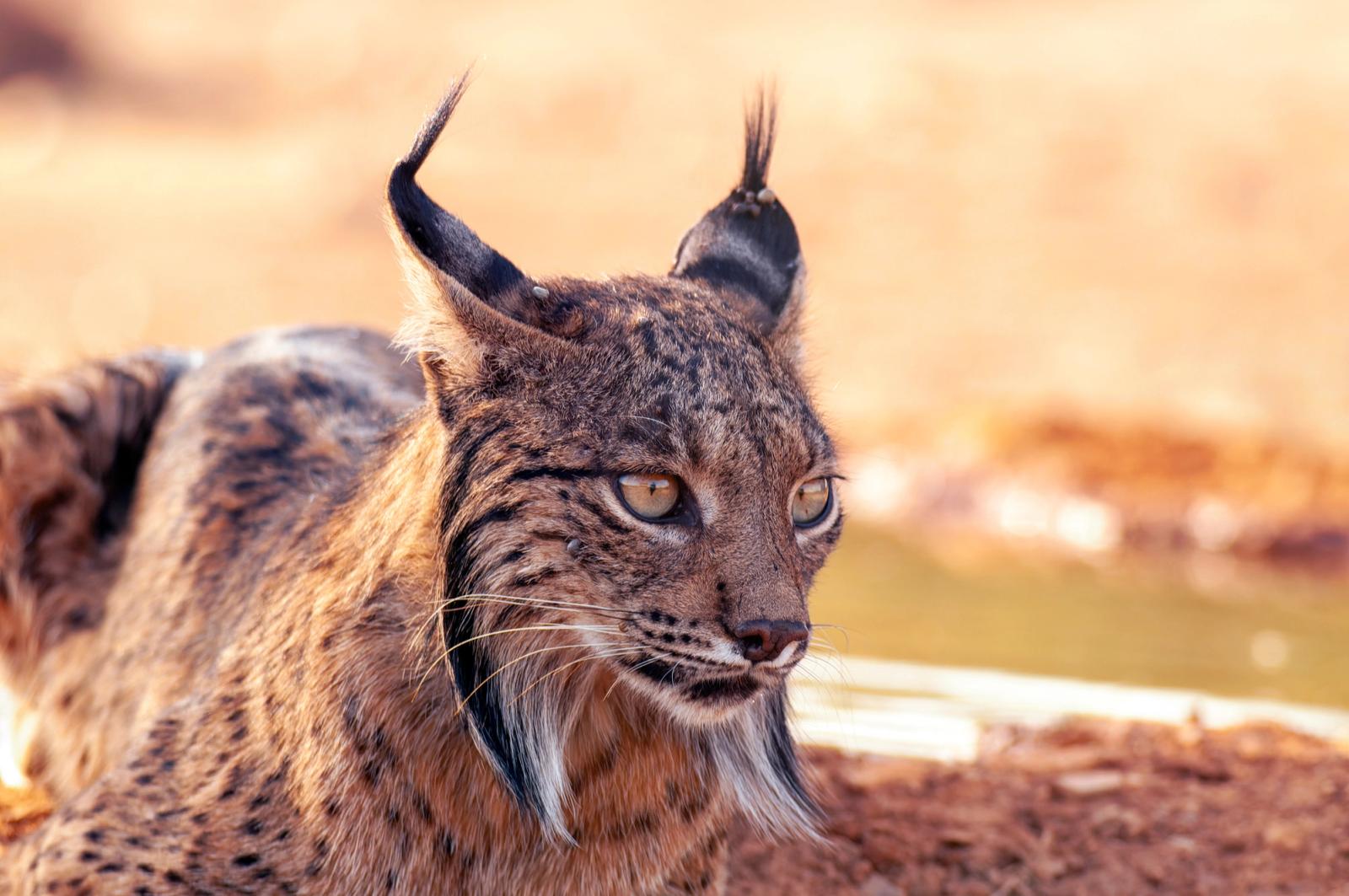
The wild Iberian lynx population hit 2,663 in the 2025 census, up about 95% since 2021, for a cat that was nearly extinct two decades ago.
At the turn of the century the Iberian lynx was the most endangered cat on Earth, down to fewer than a hundred animals. The 2025 census, released in June 2026, records 2,663 wild lynx across Spain and Portugal, up from 1,365 in 2021, a rise of about 95% in four years. Roughly 2,269 live in Spain and 394 in Portugal, spread across a growing number of separate populations rather than a single fragile one.
How we know
The recovery is built on breeding programmes, the restoration of scrubland habitat, and the careful rebuilding of the rabbit populations the lynx depends on to eat. The census counted 542 breeding females, the engine of any further growth, and the one-year rise from 2,401 animals in 2024 was almost 11%. The lynx is a specialist hunter living almost entirely on wild rabbits, so a rabbit disease outbreak could pull the whole recovery down, which is why conservation effort targets prey and scrubland as much as the cat. About 78% of the lynx deaths recorded in 2025 were vehicle collisions, still the leading unnatural killer.
Why it matters
Four steps back from the brink in two decades is among the clearest conservation turnarounds anywhere. The right way to read 2,663 is not saved but saveable, and being saved. A cat that was almost a memory is now a population, and that is a different kind of problem to have.
The count is a minimum, not a complete tally, genetic diversity remains low, and roads still kill a large share of lynx each year. The species is classed as Vulnerable, not recovered, so the wording that fits is saveable, not saved.
How many Iberian lynx are there now?
The 2025 census counted 2,663 wild lynx across Spain and Portugal, up from 1,365 in 2021, a rise of about 95 percent in four years. Roughly 2,269 live in Spain and 394 in Portugal, and the census recorded 542 breeding females.
How close did the lynx come to disappearing?
Fewer than 100 animals were left around 2002. The species is now confirmed across 26 separate geographical areas and bred in 18 of them in 2025, so the recovery rests on many populations rather than one fragile group.
What still threatens the lynx?
Roads, most immediately. Of the 273 lynx deaths recorded in 2025, 212, about 78 percent, were vehicle collisions. The census total is also a minimum number of lynxes rather than a complete tally.
Three verified stories, once a week.
Good news, checked against primary sources. Free.
Powered by Buttondown