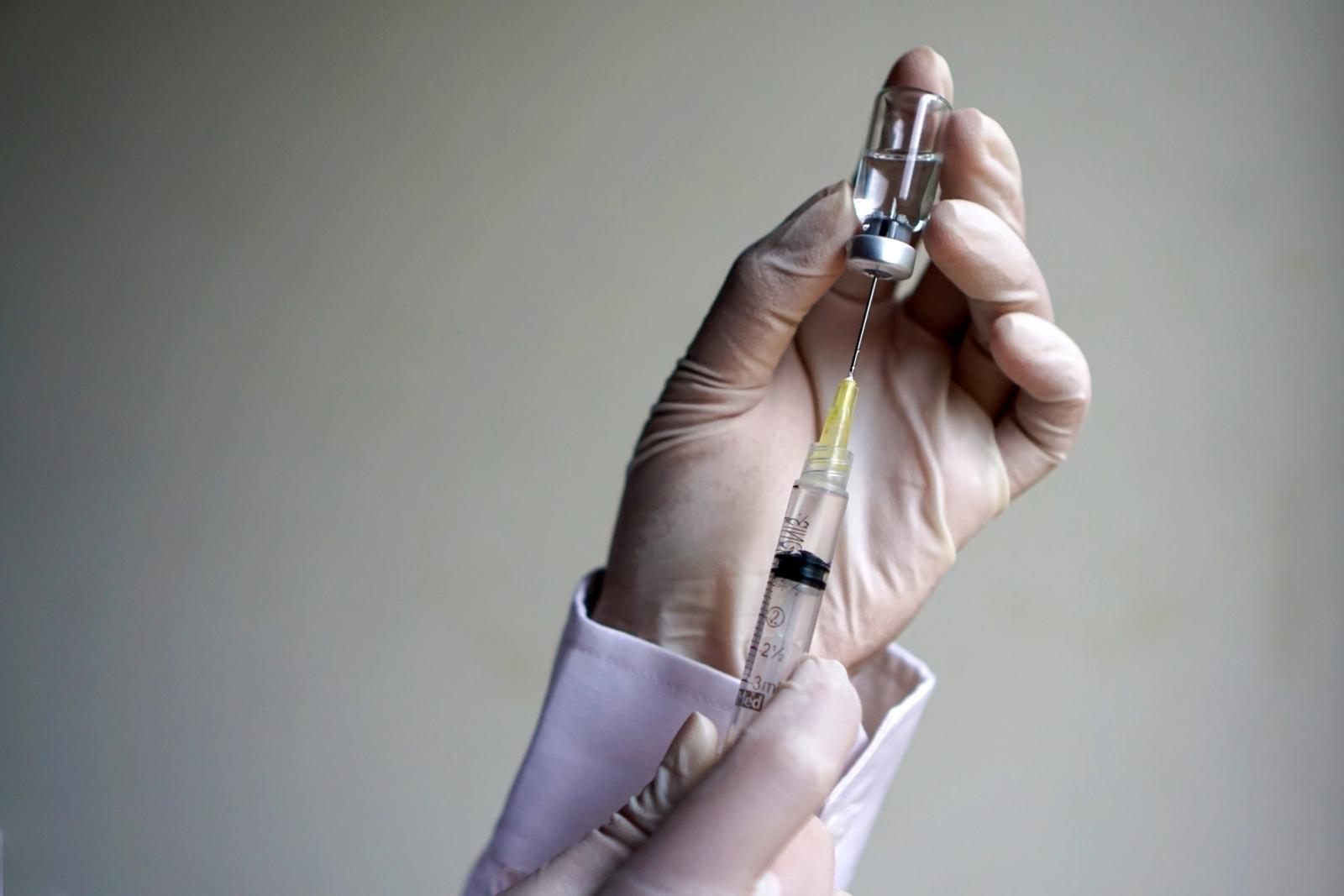
Lenacapavir prevented HIV with near-total efficacy in trials, and in 2025 both the FDA and the WHO backed it for prevention.
The barrier to preventing HIV has rarely been whether the tools work. It has been whether people can use them every single day. Lenacapavir reframes the question. It is a long-acting injection given just twice a year, and in its Phase 3 trials it prevented HIV with an efficacy near 100% in women and around 96% in a mainly male population. In June 2025 the US FDA approved it for prevention. In July, the World Health Organization recommended it.
How we know
The trial evidence is unusually strong. In the PURPOSE 1 study, no women who received the injection acquired HIV, and in the mainly male PURPOSE 2 study efficacy was around 96%, well above what daily pills achieve in practice, because people do not have to remember them. What makes this matter is the gap between protection that exists and protection people actually take: a twice-yearly appointment removes the daily reminder, the pill bottle, and the stigma of being seen with medication, the quiet frictions that undo prevention programmes.
Why it matters
The WHO's director-general called it the closest thing yet to an HIV vaccine. Yet a near-perfect prevention tool changes nothing for the 1.3 million people who acquired HIV in 2024 unless it reaches them affordably, which is now the whole question. The honest way to hold this is as a genuine scientific win handed to a logistics and pricing problem: the science has done its part, and whether it becomes history depends on supply deals, generics and clinics, not on another trial.
Lenacapavir prevents HIV, it does not cure it, and it works only for HIV-negative people who keep to the twice-yearly schedule. The WHO notes access outside trials remains limited, so affordability now decides its real-world impact.
How well did lenacapavir work in trials?
In its Phase 3 trials it prevented HIV with an efficacy near 100 percent in women and around 96 percent in a mainly male population. In the PURPOSE 1 study, no women who received the injection acquired HIV, and the PURPOSE 2 study showed efficacy around 96 percent, well above what daily pills achieve in practice.
Why does a twice-yearly injection matter so much?
The barrier to preventing HIV has rarely been whether the tools work, but whether people can use them every day. A twice-yearly appointment removes the daily reminder, the pill bottle and the stigma of being seen with medication, the quiet frictions that undo prevention programmes. The WHO's director-general called it the closest thing yet to an HIV vaccine.
Who has backed it?
In June 2025 the US FDA approved lenacapavir for prevention, and in July 2025 the World Health Organization recommended it. It is given as a long-acting injection just twice a year, rather than as a daily pill.
What still stands in the way?
The unsolved part is delivery, not the drug. Lenacapavir prevents HIV but does not cure it, and it only helps people who are HIV-negative and keep to the six-monthly schedule. The WHO notes access outside trials remains limited, so whether it reaches the 1.3 million people who acquired HIV in 2024 now depends on affordability.
- World Health Organization, WHO recommends injectable lenacapavir for HIV prevention Primary
- CDC MMWR, Clinical guidance on lenacapavir for HIV pre-exposure prophylaxis
- New England Journal of Medicine, Twice-Yearly Lenacapavir or Daily F/TAF for HIV Prevention in Cisgender Women (PURPOSE 1) Primary
- New England Journal of Medicine, Twice-Yearly Lenacapavir for HIV Prevention in Men and Gender-Diverse Persons (PURPOSE 2) Primary
Three verified stories, once a week.
Good news, checked against primary sources. Free.
Powered by Buttondown