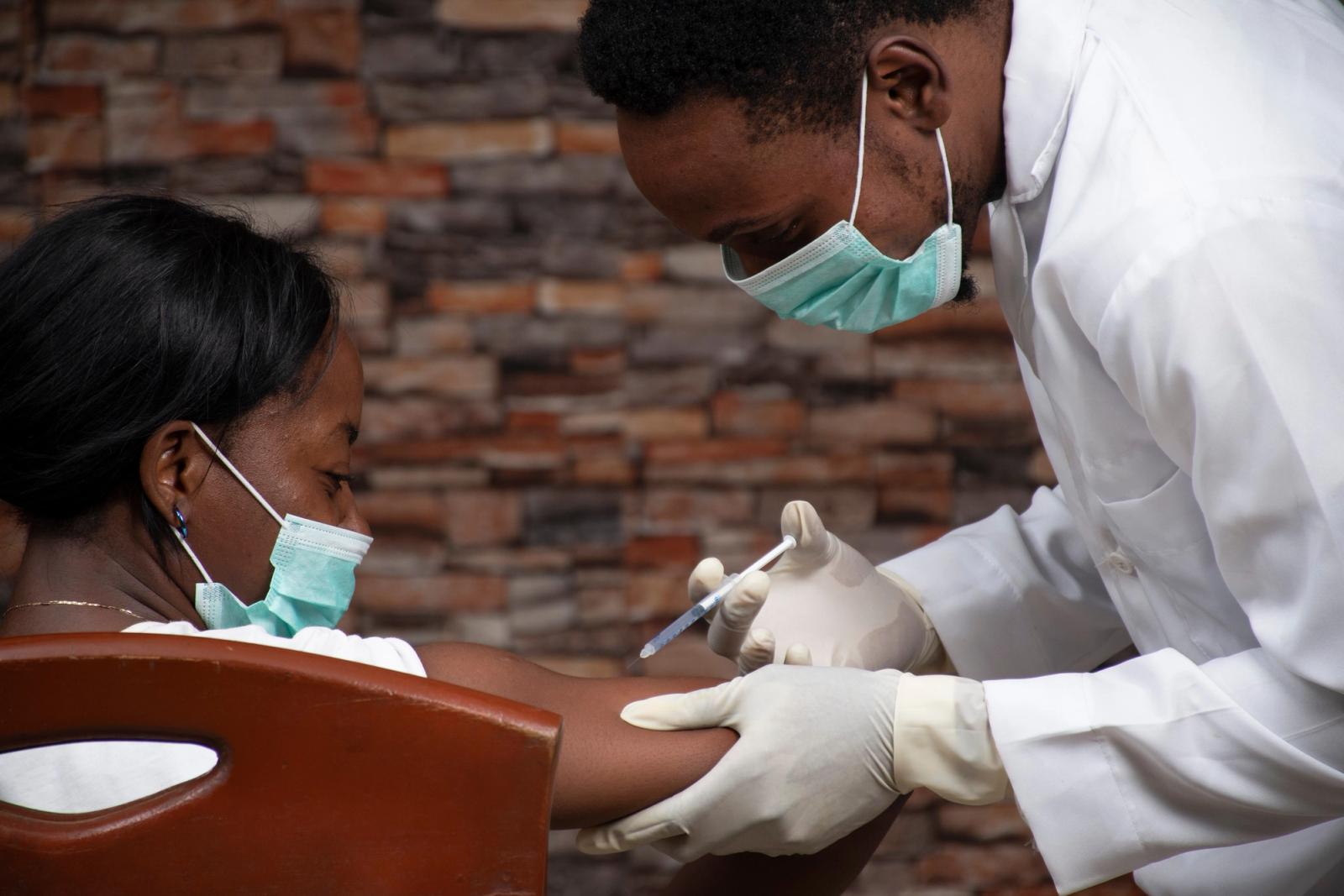
Four years into the first real world rollout, the evidence is in, and it is measured in children who are still alive.
When the world's first malaria vaccine began reaching children in Ghana, Kenya and Malawi in 2019, the open question was whether trial ground promise would survive contact with real clinics, real supply chains and real families. In May 2026, a peer-reviewed evaluation in The Lancet answered it. Among the young children eligible for the vaccine, roughly one in eight deaths from any cause was averted over four years.
How we know
The finding comes from a large evaluation of the pilot programme, published in The Lancet and reported by the World Health Organization, covering more than two million children. What makes it striking is that it was achieved in ordinary conditions, not ideal ones, with only about 71 percent of children getting three doses. The pilot used a vaccine known as RTS,S; malaria vaccines, RTS,S and the newer R21, are now part of routine immunisation in 25 African countries.
Why it matters
Malaria is one of the oldest and heaviest burdens on child health in Africa. A tool that cuts deaths even partially, delivered through normal clinics, can protect millions of children a year. It works alongside bed nets and treatment, not instead of them.
Malaria still killed an estimated 438,000 African children in 2024. A 13 percent cut in child mortality is a profound thing and a partial thing at the same time. This is a powerful new tool, not the end of the disease. And the main brake now is not science but money: the World Health Organization is explicit that funding shortfalls will decide how many children the vaccine actually reaches.
How was the vaccine's effect measured?
The finding comes from a large evaluation of the pilot programme in Ghana, Kenya and Malawi, published in The Lancet in May 2026 and reported by the WHO, covering more than two million children. It found that roughly one in eight deaths from any cause, about 13 percent, was averted among eligible young children over four years.
Was this achieved under ideal conditions?
No. The result held in ordinary clinics rather than trial conditions, with only about 71 percent of children getting three doses. The pilot used a vaccine known as RTS,S; malaria vaccines, RTS,S and the newer R21, are now part of routine immunisation in 25 African countries.
Does the vaccine replace bed nets and treatment?
No. It works alongside bed nets and treatment, not instead of them. Malaria still killed an estimated 438,000 African children in 2024, so this is a powerful new tool rather than the end of the disease.
What stands in the way of reaching more children?
The main brake now is money rather than science. The World Health Organization is explicit that funding shortfalls will decide how many children the vaccine actually reaches, against a target of more than 10 million children a year.
Three verified stories, once a week.
Good news, checked against primary sources. Free.
Powered by Buttondown