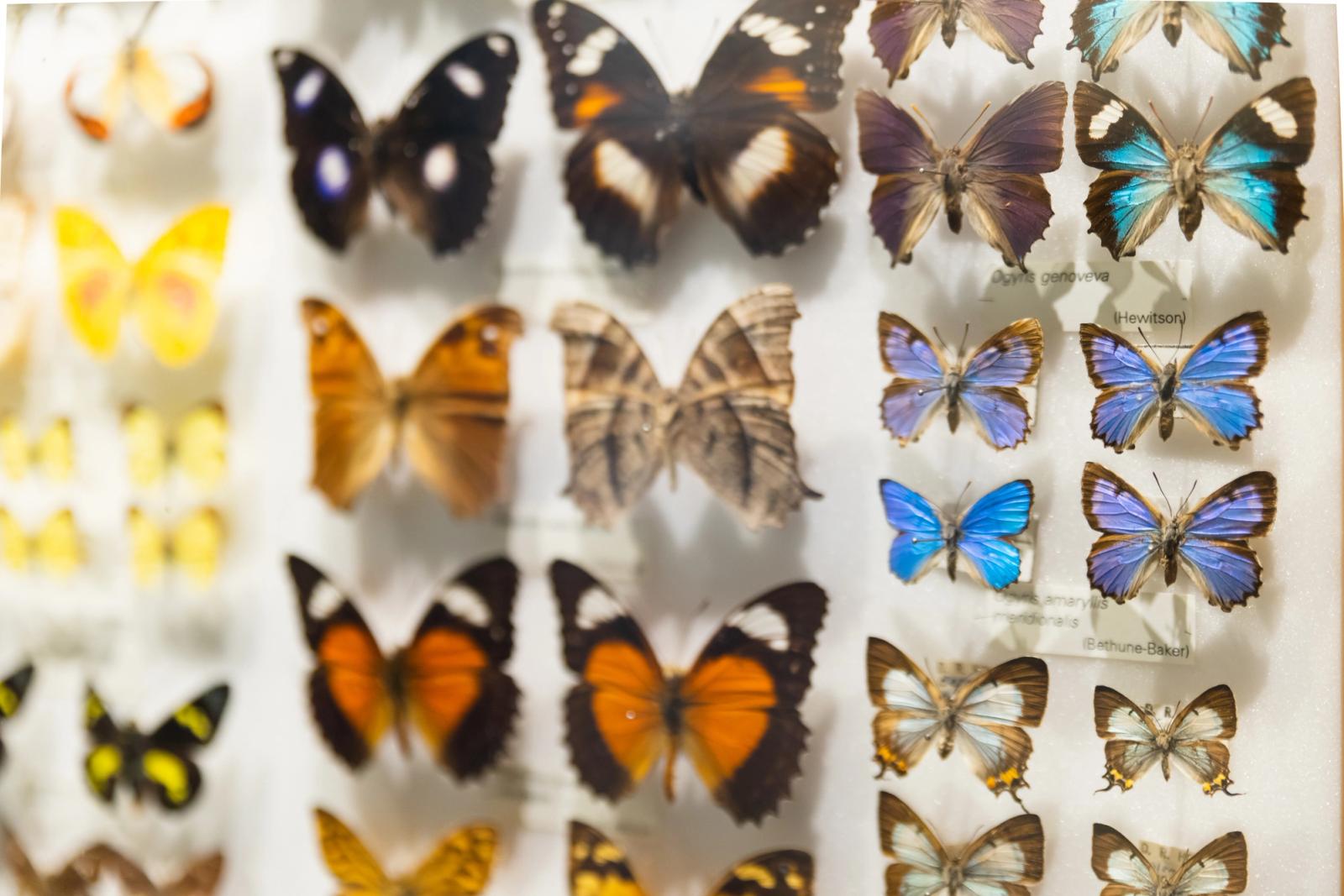
A count of 1.9 million living species finds that every year above 16,000 new names has come since 2015, overturning the idea that discovery peaked around 1900.
In 2020, scientists formally described 17,044 species that had never before had a scientific name. No year since the records begin in the 1750s has produced more. Describing a species means publishing a formal scientific account of it, with a new name and the features that set it apart from its relatives, and it is the moment an organism officially joins the list of known life. Every year in which that total passed 16,000 has come since 2015.
That runs against a long-held view. Earlier research concluded that the pace of discovery peaked about a century ago and that only about 2 million species exist, which would mean we were running out of new ones to find. The new count says otherwise. The yearly rate passed its early 1900s high after 2008, and the largest yearly totals on record all fall in the past two decades.
How we know
The study, published in Science Advances in December 2025 by a team that includes John Wiens, a professor of ecology and evolutionary biology at the University of Arizona, started from the Catalogue of Life, a global database of accepted species names. The team checked the year each species was first described against two other databases, then removed viruses, fossils and species with no clear date. That left about 1.96 million living species described between the 1750s and 2020. The authors stopped at 2020 on purpose: new species take several years to reach the databases, so later years look artificially low. The record is not smooth. Species descriptions collapsed during both world wars, then climbed again. In the past 20 years the largest groups grew fastest. Animals, insects, beetles and ray-finned fish, the group that includes most of the world's fish species, each gained between 15 and 21 percent of all their known species from 2000 to 2020.
Why it matters
The authors point out that a species can be invisible to conservation until it is described, and that some researchers find recently described species more likely to be threatened with extinction. Faster naming widens what can be counted and protected, and it is already passing old ceilings. Described plant species rose from 316,323 in 2000 to 362,900 in 2020 and reached 386,117 by 2025, 30 percent above one earlier prediction of the total. Described fungi, at about 156,000, have passed the 84,400 that another study projected for all fungi. The gap is still wide. Estimates of how many species live on Earth run from the low millions to the trillions, and at today's pace, the authors write, describing even a small share of the millions of insect species thought to exist would take more than 400 years. They point to new technologies that could speed the work. Whether we name the planet's species before some of them disappear depends on how quickly it can go.
A newly named species is not a safe one. The study counts names, not survival: it cannot include species that die out before anyone describes them, and climate change could cost up to about 30 percent of species visible to the naked eye. Some new names may later prove to be species already known. The data stop in 2020 because of recording delays, and the authors urge considerable caution about their long-range projections.
What does it mean to describe a species?
It means publishing a formal scientific account of an organism that gives it a scientific name and sets out the features that distinguish it from related species. Until that happens, the study's authors note, a species can be invisible to conservation efforts.
Does this mean nature is doing better?
No. The study measures how fast scientists are cataloguing life, not how well that life is faring, and it cannot account for species that go extinct before anyone describes them. Only about 912 species extinctions have been documented over the past 500 years, but the authors say the true rate may be underestimated for exactly that reason.
Why does the study stop at 2020?
New species can take several years to be added to the Catalogue of Life and similar databases, so the most recent years look artificially low. The authors saw counts drop after 2020 in all three databases they used and treated that as a recording delay rather than a real slowdown.
How many species are there in total?
Nobody knows. About 2.5 million species have been described, according to the study's coauthor John Wiens, while estimates of the true total range from the low millions to the low trillions. Much of that uncertainty comes from microbes, which are far harder to find than larger animals and plants.
Three verified stories, once a week.
Good news, checked against primary sources. Free.
Powered by Buttondown