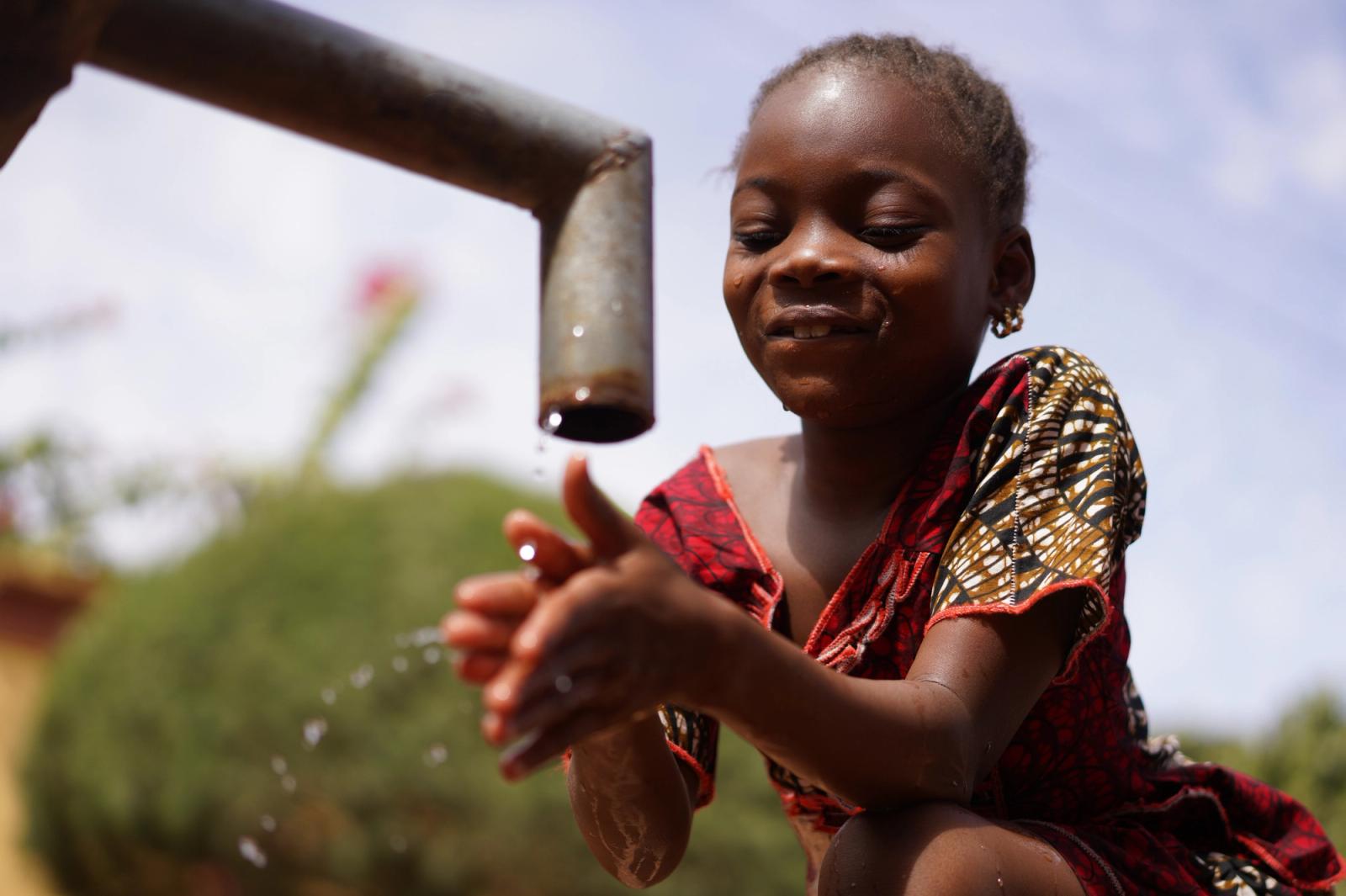
WHO and UNICEF's official count puts open defecation at 354 million people, a fall of 429 million since 2015, and 91 countries have now ended the practice in their rural areas.
In 2024, 354 million people had no toilet of any kind. That is 429 million fewer than in 2015, more than a halving in nine years, and the count comes from the WHO and UNICEF Joint Monitoring Programme, the body responsible for the world's official water and sanitation statistics. Open defecation, which the programme defines as disposing of human faeces in fields, forests, bushes, open water, beaches or with household waste, now involves 4 percent of the world's population, down from 10 percent in 2015.
How we know
The Joint Monitoring Programme has produced these estimates for 35 years, drawing on national household surveys and censuses, and its August 2025 report covers the period 2000 to 2024. The great majority of the fall since 2015, 379 million people, happened in rural areas, where the share of people without a toilet dropped from 20 percent to 9 percent. The number of countries that have ended open defecation in rural areas, which the programme counts as getting below 1 percent, rose from 72 in 2015 to 91 in 2024, among them Brazil, Morocco and Nepal, each of which still had more than a tenth of its rural population going in the open in 2015. Another 17 countries are on course to get there by 2030. In towns and cities the practice is already below 1 percent worldwide. Over the same nine years 1.2 billion people gained safely managed sanitation, meaning a toilet their household does not share with anyone else where the waste is either treated safely on the spot or taken away and treated elsewhere, and coverage rose from 48 percent to 58 percent.
Why it matters
Sanitation is where a great deal of infectious disease is decided. Between 2015 and 2023, 97 percent of reported cholera cases occurred in countries where, in 2019, fewer than 60 percent of people had a toilet of their own and fewer than 75 percent had a basic water supply. The pace of change shows what a determined national programme can do: India alone accounts for 676 million of the 943 million people who have stopped practising open defecation since 2000, about 70 percent of the global reduction. What is left is the harder part, in the places where population growth has been outrunning the building of toilets. The methods are known and proven. Whether the remaining 354 million get a toilet by 2030 is now a question of money and attention.
354 million people still have no toilet, and 3.4 billion still lack safely managed sanitation. The gains are uneven: open defecation rose in Papua New Guinea between 2015 and 2024, and since 2000 the number of people practising it has grown by at least a million each in Chad, the Democratic Republic of the Congo, Niger and Nigeria, where population growth has outpaced the improvement. The Joint Monitoring Programme says the overall rate of progress must increase sixfold for the world to meet its 2030 sanitation target.
What counts as open defecation?
The WHO and UNICEF Joint Monitoring Programme defines it as disposing of human faeces in fields, forests, bushes, open bodies of water, beaches or other open places, or with solid waste. It is the bottom rung of the programme's five level sanitation ladder, below unimproved, limited, basic and safely managed services.
How can 91 countries have ended open defecation if some people there still practise it?
The programme counts open defecation as eliminated once the share of the population practising it falls below 1 percent, rather than at zero. On that measure 91 countries had ended it in rural areas by 2024, up from 72 in 2015, and a further 17 are on course to do so by 2030.
Is the world on track to end open defecation by 2030?
No. The Joint Monitoring Programme says the overall rate of progress needs to increase sixfold to meet the 2030 sanitation target, and 354 million people still have no toilet. Coverage has risen quickly, but the number of people left without any service has fallen more slowly.
Where has the biggest change happened?
In rural areas, which accounted for 379 million of the reduction since 2015 and still hold nine out of ten of the people practising open defecation in 2024. Over the longer run India alone accounts for 676 million of the 943 million people who have stopped since 2000, about 70 percent of the global fall.
- WHO and UNICEF Joint Monitoring Programme, Progress on household drinking water, sanitation and hygiene 2000-2024: special focus on inequalities Primary
- UN-Water, Progress on household drinking-water, sanitation and hygiene 2000-2024: Special focus on inequalities
- The Water Diplomat, New Joint Monitoring Program progress report published
One verified piece of progress, every other day.
Good news, checked against primary sources. Free.
Powered by Buttondown