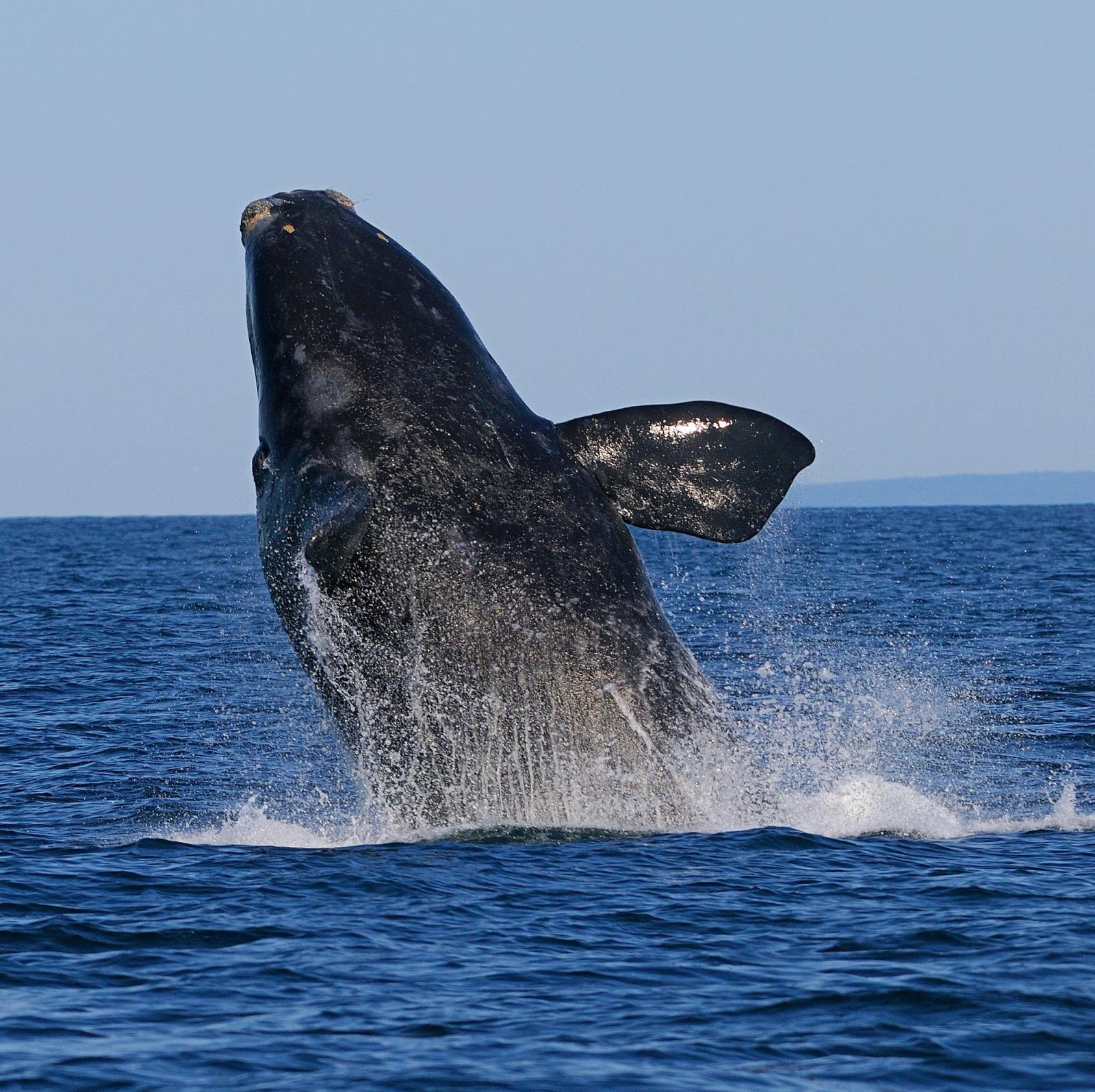
More North Atlantic right whale mothers are giving birth sooner after their last calf, a sign of better health in a species of about 380. One good season is not yet a recovery.
Each autumn, some North Atlantic right whales swim more than 1,000 miles south, from their feeding grounds off the northeastern United States to the shallow coastal waters off the Carolinas, Georgia and Florida. This season, between mid-November and mid-April, 23 mothers were seen there with a newborn calf. That is the most since 2009 and the fourth-highest count ever recorded, in a species that numbers about 380 animals.
Who the mothers were matters as much as how many. Calving, as giving birth is called in whales, had slowed badly. The gap between one calf and the next, known as the calving interval, had stretched to an average of 7 to 10 years in recent years, against the 3 to 4 years NOAA Fisheries describes as normal and healthy. This season, 13 of the 20 returning mothers had last given birth in 2021 or 2022. Their calving interval was shorter than the recent average and closer to the healthy one.
Three whales became mothers for the first time. Two of them, known as Mirror and Catalog #4610, are 10 years old, the age at which scientists expect females to start breeding. The third, Callosity Back, was nearly 20, which the New England Aquarium says has been common in recent years. At the other end of life, two mothers named Juno and Ghost are both at least 40 and have now had at least nine calves each.
How we know
The count comes from NOAA Fisheries, the US federal agency responsible for the species, which monitors the southeastern calving grounds every season with state, federal and research partners. Survey teams in four planes logged more than 1,400 flight hours, and crews on three research vessels carried out health checks and collected genetic samples. Across the season they recorded about 500 sightings of 129 individual whales in the Southeast, which NOAA says is more than a quarter of the population, not counting the new calves.
Every one of those whales can be told apart. Right whales carry callosities, rough patches of skin on the head that whale lice turn white, and each animal's pattern is its own. The New England Aquarium curates the North Atlantic Right Whale Catalog, a photographic record that, according to Amy Warren, whose team manages it, holds more than 800 individuals going back to 1935. That record is how researchers know each mother's age and when she last gave birth. By the aquarium's count, 18 of this season's mothers had calved within the previous six years, and by late April at least 18 of the 23 mothers and calves had already been seen in Massachusetts waters.
Why it matters
Whaling took this species close to the edge. When right whales were protected from whaling internationally in 1932, Warren says, perhaps only 20 to 50 remained, though no one can be sure. They recovered slowly, then met new dangers: bigger and faster ships, stronger fishing gear set further offshore, and, as the climate changed and their food moved, whales turning up in waters where no protections had been put in place.
Since 2017, the species has been the subject of an Unusual Mortality Event, a formal US declaration that a marine mammal population is dying off unexpectedly and needs an immediate response. Dead, seriously injured or sick whales counted in it make up more than 20 percent of the population, and NOAA names entanglement in fishing gear and collisions with vessels as the leading causes. NOAA estimates the population includes only about 70 breeding females.
That is why a shorter calving interval carries weight. Warren has said the long gaps may reflect how long a hungry or injured female takes to regain the condition to carry a calf. When more of those females calve sooner, it suggests they are finding food and recovering. The measures that slow ships and move fishing gear appear to be helping. Whether this season becomes a trend depends on keeping them in place long enough to find out.
One good season is not a recovery. About 380 right whales remain, and in January 2026 two young whales died from human causes. Two years earlier, five of that season's 20 calves were gone within three months, and the chance that all 23 new calves reach adulthood is low, says Amy Warren of the New England Aquarium. Entanglement in fishing gear and collisions with vessels still kill and injure whales.
Why is a shorter gap between calves good news?
NOAA Fisheries describes 3 to 4 years between calves as normal for a healthy right whale, but recent gaps have averaged 7 to 10 years. Scientists think a female needs time to regain her condition after being hungry or injured before she can carry another calf. Shorter gaps this season suggest more mothers are in better health.
How do scientists tell individual right whales apart?
Each right whale has callosities, rough patches of skin on its head made white by whale lice, in a pattern unique to that animal. The New England Aquarium keeps a photographic catalog of more than 800 individuals going back to 1935. It records each whale's births, injuries and family links.
Does this mean the species is recovering?
Not yet. Amy Warren of the New England Aquarium says one good year will not save a species, and that it needs many years of high calf counts with no human-caused deaths. About 380 animals remain, and NOAA Fisheries is still counting dead, injured and sick whales in the die-off it began investigating in 2017.
What is still killing right whales?
NOAA Fisheries names entanglement in fishing gear and collisions with vessels as the leading causes of death and injury since 2017. As their food shifts with a warming ocean, whales are also moving into waters that lack protections. Two young whales died from human causes in January 2026.
- NOAA Fisheries, By the Numbers: 2026 North Atlantic Right Whale Calving Season Primary
- New England Aquarium, North Atlantic right whale calving season produces highest number of births since 2009
- Inside Climate News, A Bit of Good News for Right Whales
- NOAA Fisheries, 2017-2026 North Atlantic Right Whale Unusual Mortality Event
Three verified stories, once a week.
Good news, checked against primary sources. Free.
Powered by Buttondown