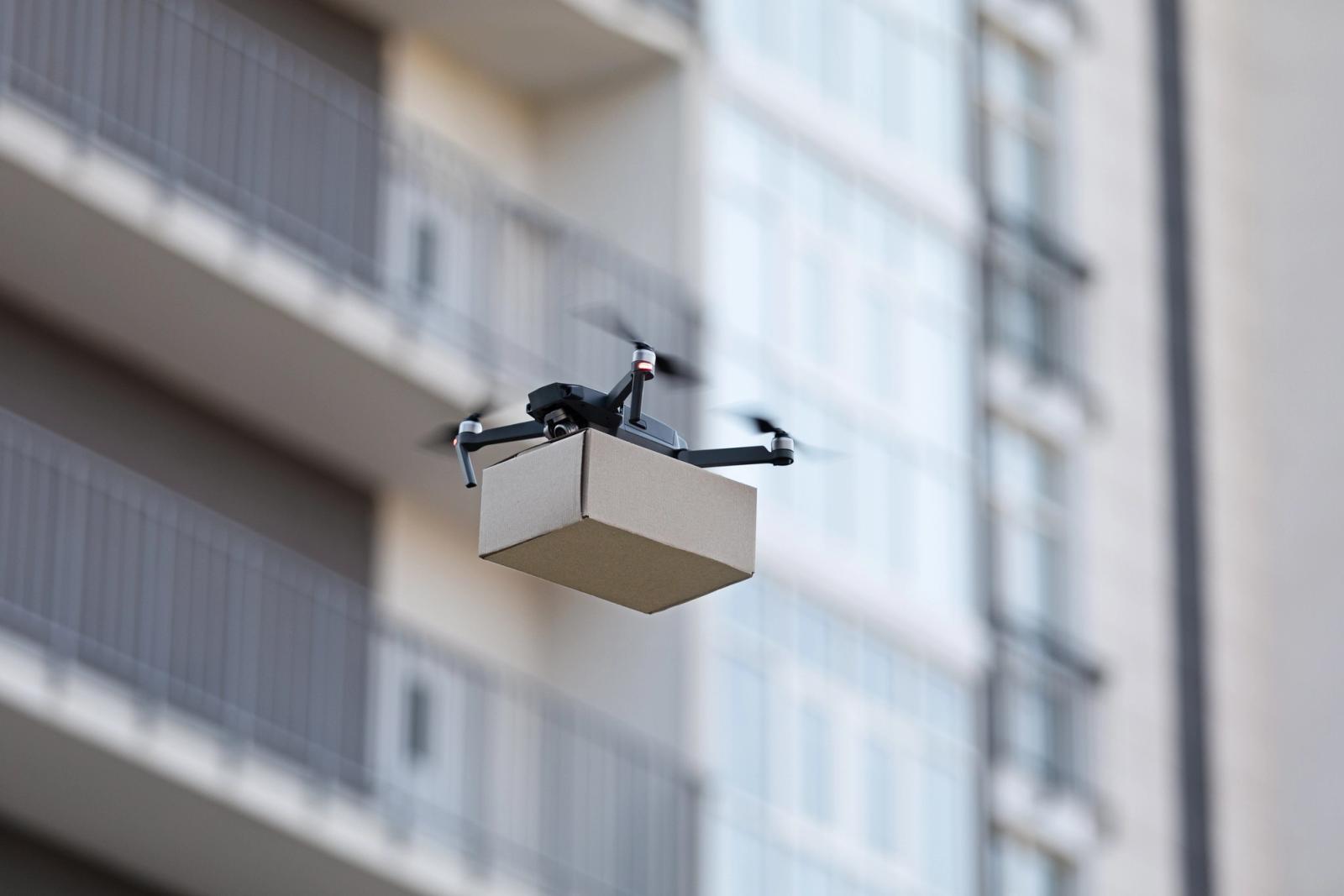
The hard part of healthcare is often not the medicine but getting it there in time. Rwanda solved that with autonomous aircraft.
A hospital can have the right blood for a haemorrhaging mother and still lose her, if the blood is hours away on bad roads. That gap, the last mile, is where a great deal of preventable death happens. Since 2016, Rwanda has been closing it with autonomous drones, and in April 2025 the programme passed a million deliveries, most of them medical, according to Zipline and Rwanda's health ministry.
How we know
The results have been measured, not just claimed. A study in Lancet Global Health found that within a year of drone delivery starting, blood unit expirations at the twenty hospitals studied fell by 67 percent, because clinics could order what they needed on demand instead of over stocking. A peer-reviewed evaluation in Manufacturing and Service Operations Management found a 51 percent reduction in in-hospital deaths from postpartum haemorrhage at the hospitals the service reaches. Rwanda's blood transfusion service reports that the blood order fill rate rose from about 70 percent to over 99 percent. The drones now make over 600 deliveries a day to more than 150 hospitals and clinics, according to the operator and the health ministry.
Why it matters
This is a concrete answer to a problem that costs lives everywhere, not only in Rwanda: how to move urgent, perishable medical supplies quickly across difficult terrain. It shows that a stubborn logistics problem has a working solution.
Rwanda has advantages not every country shares: a compact geography, supportive regulation, and a centralised national blood supply that the drones plug into neatly. The technology solves the logistics of the last mile. It does not fix underlying shortages of blood or clinical staff, and the strongest life saving figures come from specific hospitals rather than a national tally.
How do we know the drones save lives, not just deliver faster?
The results were measured, not just claimed. A study in Lancet Global Health found that blood unit expirations at the twenty hospitals studied fell by 67 percent within a year of drone delivery starting, and a peer-reviewed evaluation found a 51 percent reduction in in-hospital deaths from postpartum haemorrhage at the hospitals the service reaches. Rwanda's blood transfusion service also reports the blood order fill rate rising from about 70 percent to over 99 percent.
How big is the programme now?
Since starting in 2016, the programme passed a million deliveries, most of them medical, by April 2025. The drones now make over 600 deliveries a day to more than 150 hospitals and clinics, according to the operator and the health ministry.
What problem does this actually solve?
It is a concrete answer to a problem that costs lives well beyond Rwanda: how to move urgent, perishable medical supplies quickly across difficult terrain. It shows a stubborn logistics problem has a working solution, though the strongest life saving figures come from specific hospitals rather than a national tally.
Can other countries simply copy this?
Not straightforwardly. Rwanda has advantages not every country shares: a compact geography, supportive regulation, and a centralised national blood supply the drones plug into. The technology solves the logistics of the last mile, but it does not fix underlying shortages of blood or clinical staff.
- The Lancet Global Health, Effect of drone delivery on blood product delivery time and wastage in Rwanda (2022) Primary
- Manufacturing and Service Operations Management, Last-Mile Delivery in Health Care: Drone Delivery for Blood Products in Rwanda (2026) Primary
- Zipline, Preventing maternal deaths through faster blood delivery
- IGIHE (citing Rwanda Ministry of Health), Zipline's Rwanda impact in numbers
Three verified stories, once a week.
Good news, checked against primary sources. Free.
Powered by Buttondown