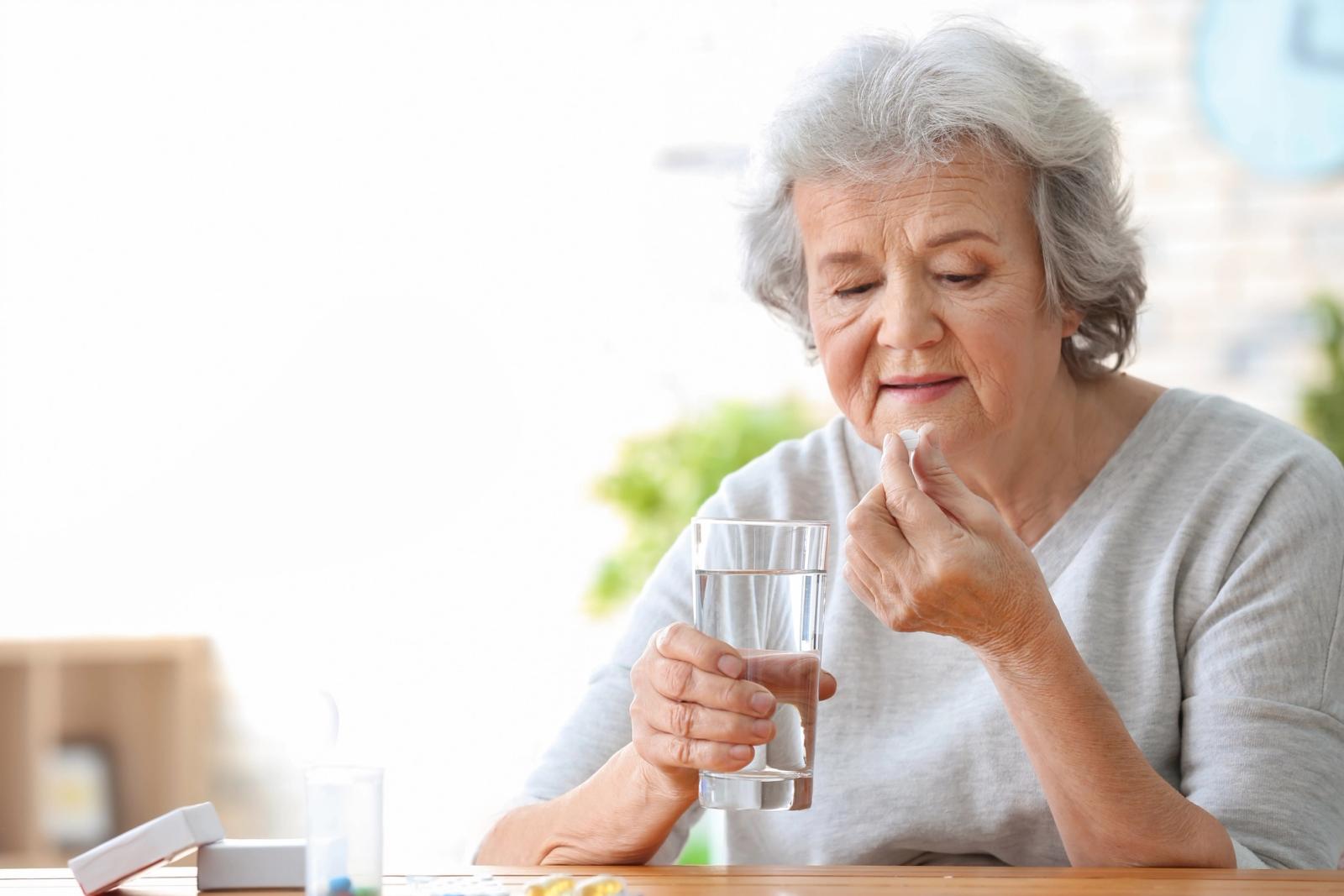
For decades, the trials behind cholesterol-lowering pills left out the people most likely to have a heart attack. A study of 9,971 Australians aged 70 and over has now asked the question directly, and found that heart attacks, strokes and cardiac deaths fell to 6.0 percent from 8.3 percent over almost six years.
For decades a doctor asked whether a healthy 75-year-old should start taking a statin, one of the cholesterol-lowering pills that millions of adults swallow daily, had to answer from evidence gathered in younger patients. No large trial had ever tested statins in people over 70 who had no heart disease, so both the benefit and the safety of the drugs in that group stayed uncertain. On 28 August 2026 that changed. A trial of 9,971 Australians aged 70 and over found that a daily 40mg tablet of atorvastatin, a statin, cut heart attacks, strokes and deaths from cardiovascular causes to 6.0 percent from 8.3 percent on placebo, a fall of 30 percent.
How we know
The trial is called STAREE, and it was double-blind, randomised and placebo-controlled, run through general medical practices across Australia and published in the New England Journal of Medicine and presented at the European Society of Cardiology congress in Munich. It enrolled community-dwelling adults, meaning people living in their own homes rather than in residential care, who were at least 70 years old and had no history of cardiovascular disease, diabetes or dementia. It assigned 4,984 of them to atorvastatin and 4,987 to an identical dummy tablet. Their mean age was 74.7 years and 51.9 percent were women. This is primary prevention, meaning treatment given to people who have never had a heart attack or stroke in order to stop the first one, rather than to protect a patient who has already had one.
Two outcomes were fixed in advance as the trial's primary tests, to be analysed in a set order under a hierarchical testing plan, and the results diverge. On the first, after a median of 5.9 years a major cardiovascular event, meaning death from cardiovascular causes, a non-fatal heart attack or stroke, or a procedure to reopen a blocked coronary artery, had occurred in 297 people taking atorvastatin and 412 taking placebo. That is 10.9 against 15.5 events for every 1,000 years of patient follow-up, a hazard ratio of 0.70, meaning events arrived in the atorvastatin group at 70 percent of the rate they arrived in the placebo group, with a 95 percent confidence interval of 0.61 to 0.82. On the second the answer was no. Death from any cause, dementia or persistent physical disability occurred in 637 people on the statin and 676 on placebo, 12.8 percent against 13.6 percent, a hazard ratio of 0.94 whose confidence interval, 0.84 to 1.05, crosses one and so leaves no effect at all among the possibilities.
The harms were reported alongside the benefit. Serious adverse events were evenly matched, affecting 131 people in the atorvastatin group and 129 in the placebo group, 2.7 percent of each. The imbalance sat in the milder categories statins are already known for: muscle, liver and diabetes-related adverse events were all recorded more often among the people taking the drug. The trial was registered as NCT02099123 and funded by Australia's National Health and Medical Research Council, the Heart Foundation of Australia and Monash University.
Why it matters
There is a quieter result alongside the headline one. A large trial of a widely used drug, given for almost six years to a group in which it had never properly been tested, could have turned up harm. It did not. Serious adverse events landed at 2.7 percent in both arms, and the differences that did appear fell in the muscle, liver and diabetes-related categories that statins are already watched for. An absence of surprises makes no headline, but in a medicine handed to healthy people to take for years at a time, it counts.
Atorvastatin is a cheap generic, long off patent and stocked in every pharmacy, so a finding like this can reach people without waiting for a new drug to be designed, priced and approved. Populations are ageing, and the question STAREE answers is one that general practitioners face several times a week. What the trial does not show is as useful as what it does: living longer without dementia or disability was the second thing it set out to test, and it did not find it. Sophia Zoungas of Monash University, who led the work, has described it as the first large randomised trial to ask whether statins can help older people live longer in good health. On the heart, it now has an answer. On the rest, it has an honest blank, and the next trial that goes looking will know exactly where the gap is.
The trial answered one of its two primary questions and not the other. Atorvastatin did not lengthen survival free of death, dementia or lasting physical disability, so nothing here shows that the drug adds good years to a life after 70, only that it prevents heart attacks and strokes. Muscle, liver and diabetes-related adverse events were more common on the drug than on placebo. Everyone in the trial was recruited through Australian general practice and was healthy enough to have no cardiovascular disease, diabetes or dementia at the start, so the result does not automatically carry over to frailer patients or to other health systems.
What does primary prevention mean, and why does it make this trial different?
Primary prevention means treating someone who has never had a heart attack or stroke in order to prevent the first one, rather than protecting a patient who has already had one. Everyone in STAREE was free of cardiovascular disease, diabetes and dementia when they enrolled. No trial of that size had ever put the question to people over 70 in this way, which is why the benefit and the safety of the drugs in that group had remained uncertain.
How large was the benefit?
Over a median of 5.9 years, 297 of the 4,984 people taking atorvastatin had a major cardiovascular event, against 412 of the 4,987 taking placebo. That is 6.0 percent versus 8.3 percent, a hazard ratio of 0.70 with a 95 percent confidence interval of 0.61 to 0.82.
Did the statin help people live longer in good health?
No. The trial's second primary outcome combined death from any cause, dementia and persistent physical disability, and it occurred in 12.8 percent of the atorvastatin group against 13.6 percent on placebo. The hazard ratio was 0.94 and its confidence interval, 0.84 to 1.05, includes the possibility of no effect at all.
Were there side effects?
Serious adverse events were equally common in both groups, affecting 131 people on atorvastatin and 129 on placebo, 2.7 percent of each. Muscle, liver and diabetes-related adverse events were recorded more often among the people taking the drug.
Three verified stories, once a week.
Good news, checked against primary sources. Free.
Powered by Buttondown