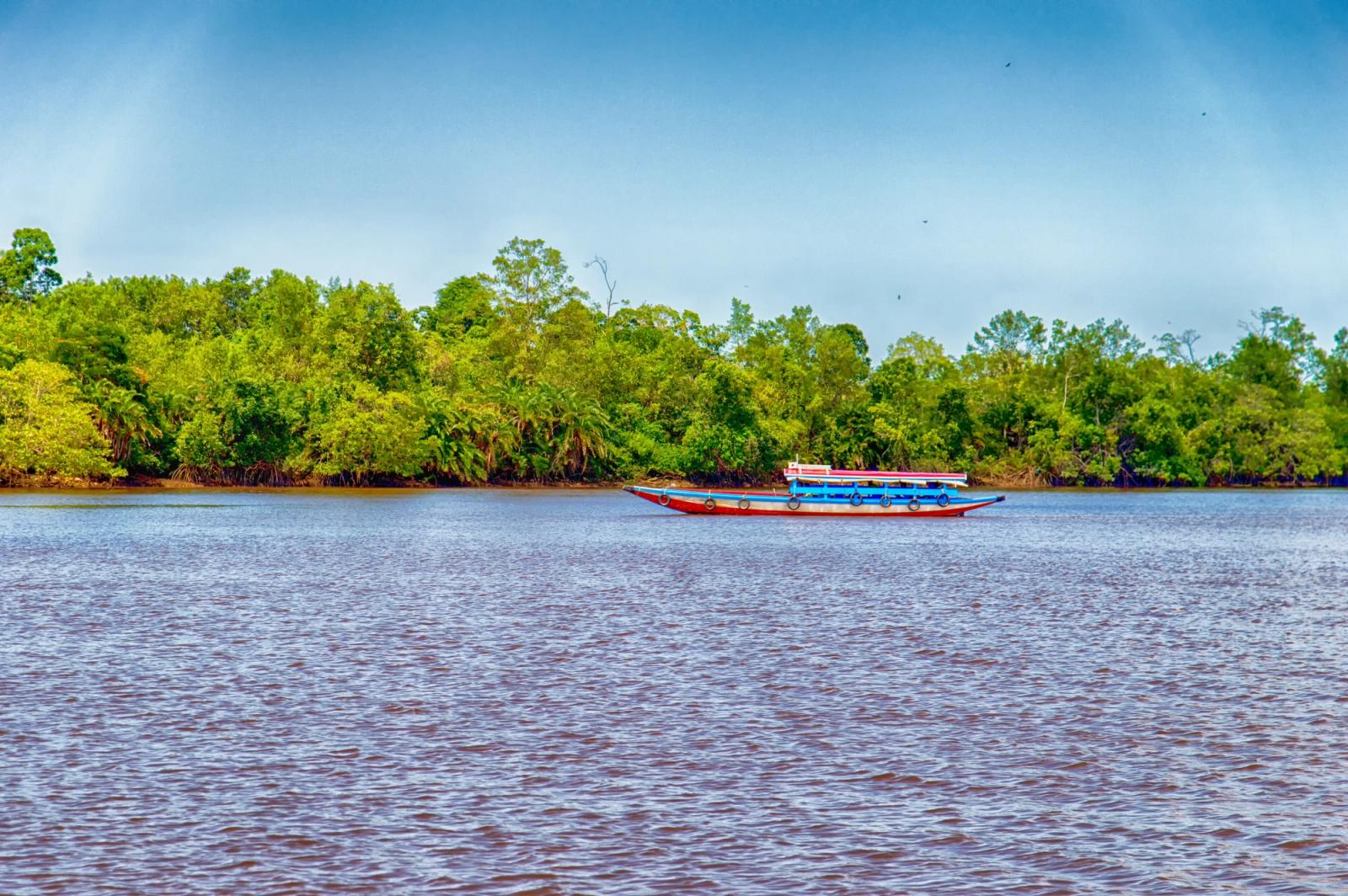
A country that once had the highest malaria burden in the Americas has driven local transmission to zero.
In 2001, Suriname recorded more than 15,000 malaria cases, the highest transmission rate in the Americas. On 30 June 2025, the World Health Organization certified the country malaria-free: the first nation in the Amazon basin, malaria's stubborn regional stronghold, to reach that bar. The last locally acquired case of the deadlier falciparum malaria was in 2018, and the last vivax case in 2021.
How we know
Certification is not granted lightly: a country must prove at least three consecutive years with no local transmission, backed by a health system able to catch and stop any new case. Reaching it took Suriname roughly seventy years of testing, treating and tracking, work done across dense rainforest and remote gold-mining communities where the disease is hardest to reach, especially the mobile, informal camps deep in the interior where malaria clings on. Suriname is now the 46th country, plus one territory, on the WHO's malaria-free list, and the first to earn the status anywhere in the Amazon.
Why it matters
The caveat is built into the word certified. It means no local transmission, not zero risk: Suriname shares porous forest borders with Guyana, Brazil and French Guiana, and cross-border gold mining still brings imported cases that have to be caught before they take hold again. But a country that once led the region in malaria has shown its neighbours that elimination in the Amazon is not a fantasy. It is a finish line, and someone has now crossed it.
Certified malaria-free means no local transmission, not zero risk. Suriname's porous forest borders and cross-border gold mining still import cases that must be caught quickly, and the status can be lost if surveillance slips.
What does certified malaria-free actually mean?
The WHO grants it when a country proves the chain of local transmission has been broken nationwide for at least three consecutive years, backed by a health system able to catch and stop any new case. It means no local transmission, not zero risk, and the status can be lost if vigilance slips.
How bad was malaria in Suriname before this?
In 2001 Suriname recorded more than 15,000 cases, the highest malaria transmission rate in the Americas. The last locally acquired case of the deadlier falciparum malaria was in 2018, and the last vivax case in 2021.
Why does it matter that this happened in the Amazon?
The Amazon basin is malaria's stubborn regional stronghold, and Suriname is the first country there to be certified. Getting to that bar took roughly seventy years of testing, treating and tracking, including work in the remote gold-mining communities where the disease is hardest to reach.
Could malaria come back to Suriname?
Yes. Suriname shares porous forest borders with Guyana, Brazil and French Guiana, and cross-border gold mining still brings imported cases that have to be caught before they take hold again. Certification can be lost if surveillance slips.
Three verified stories, once a week.
Good news, checked against primary sources. Free.
Powered by Buttondown