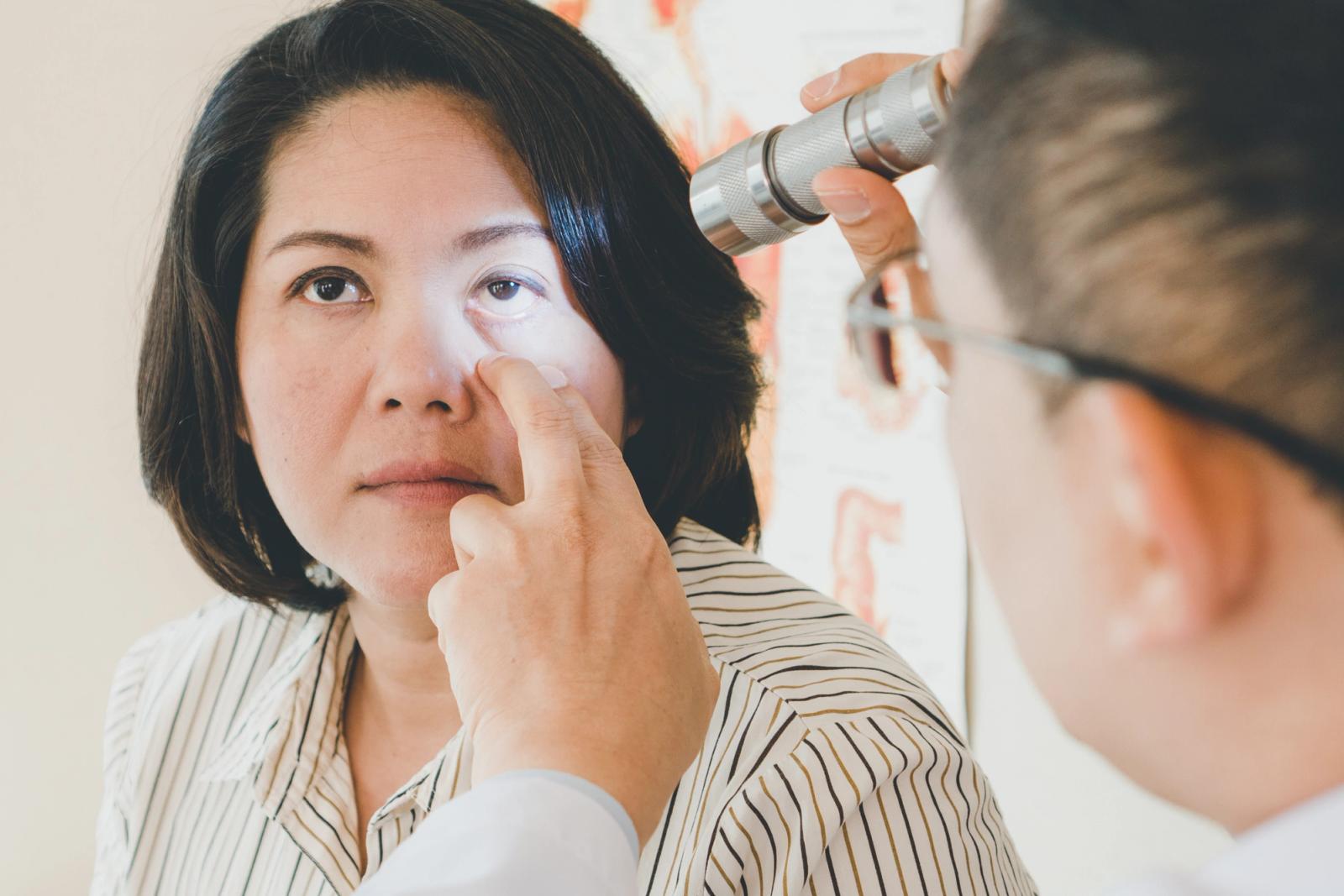
The World Health Organization validated Timor-Leste on 3 September 2026 as having eliminated trachoma as a public health problem. It was the last country in WHO's South-East Asia Region where the disease still counted as one.
Trachoma blinds slowly. Repeated infection scars the inside of the eyelid until the lashes turn inward and scrape the eye, a late stage called trichiasis, and the disease spreads wherever clean water and sanitation are scarce. On 3 September 2026 the World Health Organization validated Timor-Leste as having eliminated trachoma as a public health problem, the 33rd country to reach that mark. It was also the last country in WHO's South-East Asia Region where trachoma still counted as one, so the region as a whole is now clear of it.
How we know
The evidence is a 2025 survey that tested 4,949 samples from children aged 1 to 5 across all 13 of Timor-Leste's municipalities. It found no transmission at a level needing trachoma-specific action. Earlier investigations, run between 2015 and 2017, examined children on Atauro Island, screened patients at eye clinics nationwide and searched house to house. They found no cases. Elimination as a public health problem is a threshold rather than a finish line: WHO asks that untreated cases of inturned eyelashes be rarer than one adult in 500, and that the early inflammatory sign in children aged 1 to 9 stay below 5 percent for two years without mass antibiotic treatment.
Why it matters
Trachoma is a disease of poverty, so clearing it means a country has reached its poorest communities with clean water, sanitation and eye care. Timor-Leste is the 33rd country validated worldwide and the fourth in its region. WHO's Director-General, Tedros Adhanom Ghebreyesus, described clearing the region as a significant step toward the global target of ending trachoma by 2030. Timor-Leste keeps the capacity to find and treat individual cases of trichiasis through the National Eye Centre at Hospital Nacional Guido Valadares, and folds trachoma watching into the surveillance systems it already runs. Elimination is a threshold a country has to keep standing on, not a line it crosses once.
Elimination as a public health problem is not eradication. The bacteria have not been wiped out, and trachoma can return if surveillance or eye care lapse, which is why Timor-Leste keeps case-finding and trichiasis surgery running. Beyond this region the burden is still heavy: in March 2026 WHO counted 92 million people living in areas where trachoma is present, and 29 countries where it is still a public health problem.
What does eliminating trachoma as a public health problem mean?
It means the disease has been pushed below thresholds WHO sets, not that the bacteria are gone. WHO asks that untreated cases of inturned eyelashes be rarer than one adult in 500, and that the early inflammatory sign in children aged 1 to 9 stay below 5 percent for two years without mass antibiotic treatment. A country must also be able to find and manage new cases.
How was Timor-Leste's elimination verified?
A 2025 survey tested 4,949 samples from children aged 1 to 5 across all 13 municipalities and found no transmission at a level needing trachoma-specific action. Investigations between 2015 and 2017 had already examined children on Atauro Island, screened eye clinic patients nationwide and searched house to house without finding a case. WHO validated the result on 3 September 2026.
Why does this matter beyond Timor-Leste?
Timor-Leste was the last country in WHO's South-East Asia Region where trachoma still counted as a public health problem, so the whole region is now clear of it. It is the 33rd country worldwide to be validated, up from 32 in July 2026. WHO's Director-General called it a significant step toward ending trachoma worldwide by 2030.
What is not solved yet?
Elimination is not eradication, so Timor-Leste keeps surveillance, case-finding and trichiasis surgery running through its National Eye Centre. Worldwide the disease is still a public health problem in 29 countries, with 92 million people living in areas where it is present as of March 2026.
Three verified stories, once a week.
Good news, checked against primary sources. Free.
Powered by Buttondown