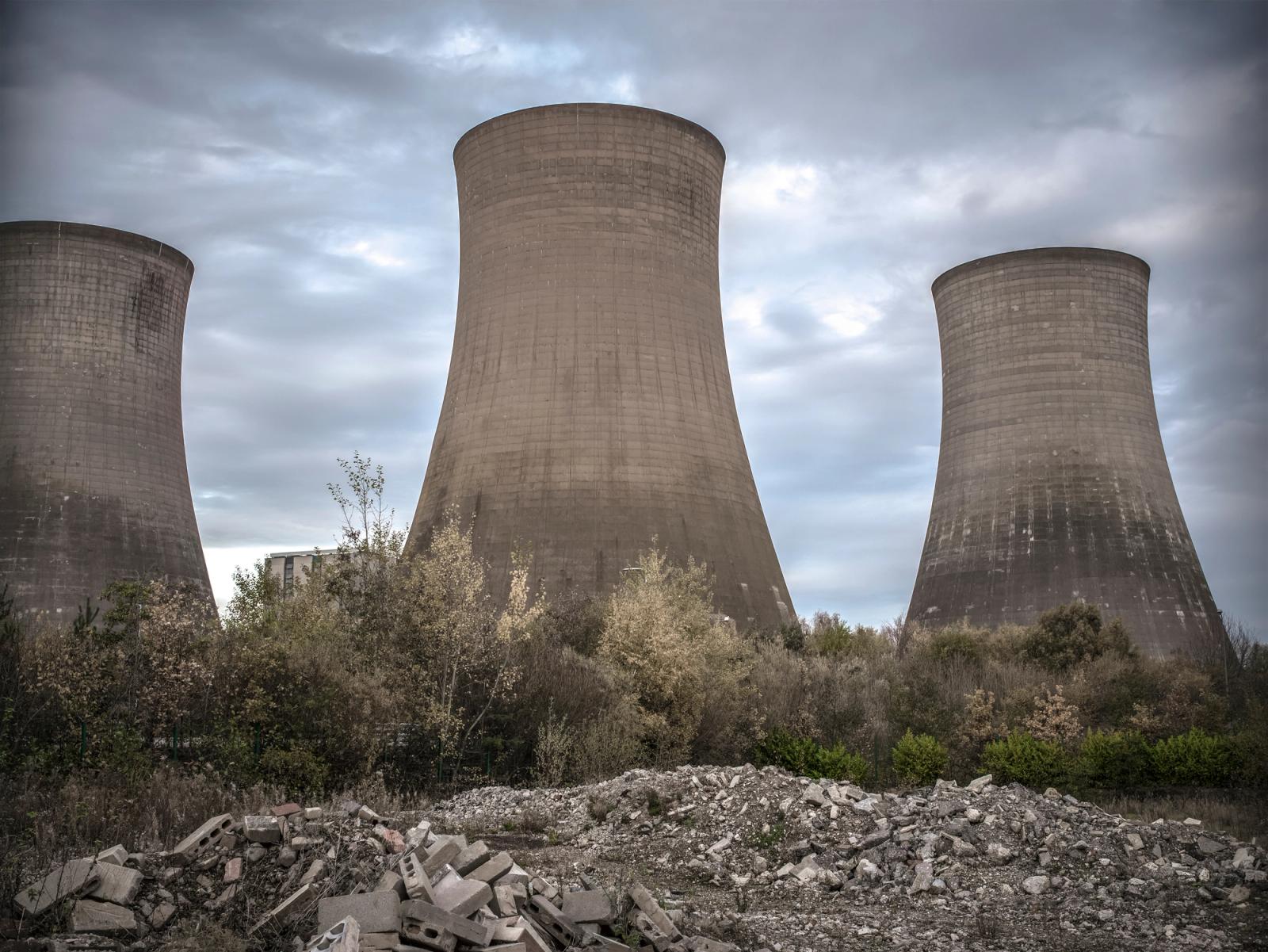
Official figures show UK greenhouse gas emissions fell 1.8% in 2025 to 367 million tonnes, in the first full year since the country's last coal power station closed.
In 1990, coal supplied 65% of the fuel burned to make the UK's electricity. In 2025 it supplied none. That was the first full calendar year after the country's last coal power station, Ratcliffe-on-Soar in Nottinghamshire, shut down on 30 September 2024, and emissions kept falling with it.
Government figures published on 2 April 2026 put UK greenhouse gas emissions for 2025 at 367 million tonnes of carbon dioxide equivalent, a unit that converts methane, nitrous oxide and other heat-trapping gases into the amount of carbon dioxide that would warm the planet as much. That is 7 million tonnes, or 1.8%, lower than in 2024. It is also 54% below 1990, a cut of 424 million tonnes a year.
The two biggest cuts in 2025 came from coal and steel. Emissions from burning coal fell by 47% in a single year, largely because none of it was used for power. Industry's emissions fell 12%, mostly because blast furnaces, the coal-fired furnaces used to make steel the traditional way, closed, with less gas burned across other industries as well.
How we know
The figures come from the Department for Energy Security and Net Zero, which publishes them as accredited official statistics. They are provisional figures, early estimates built mostly from quarterly energy data, and the department will publish final numbers in February 2027. They count territorial emissions, meaning only what is released inside UK borders, which is the measure the UK reports to the United Nations.
The department also checked whether the weather did the work. A mild year means less heating, which can flatter the total, so it models what emissions would have been at long-term average temperatures. On that basis the fall was 2.1%, slightly larger than the actual 1.8%. The drop was not a warm-weather accident.
Carbon Brief, an independent climate analysis site, published its own estimate a month earlier, built from public government energy data. It put the 2025 fall at 2.4% and the total at 364 million tonnes, which it calculates is the lowest since 1872. The official total is a little higher, but both agree on the direction and on the 54% cut since 1990. Carbon Brief also found that UK coal demand fell 56% in 2025 to just under a million tonnes, the lowest level since 1600.
Why it matters
Over 35 years the UK has cut its emissions by more than half, and the electricity system did most of it. Power station emissions are down 82% since 1990, as coal gave way first to gas and then to renewable sources. Nuclear and renewables supplied 65% of the fuel used for electricity in 2025, up from 22% in 1990, and renewables alone produced a record 52% of the power generated. Over the same period, Carbon Brief notes, using World Bank data, the economy grew by 95%.
The next cuts are harder. Domestic transport is now the largest source, 31% of the territorial emissions total, and its emissions rose 2% in 2025 as more petrol and diesel was burned on the roads. Emissions from gas burned for power rose 5% too, as generation grew and imports fell. Carbon Brief calculates that the UK needs to cut about 15 million tonnes of carbon dioxide equivalent a year, on average, to reach its legal net zero target by 2050, the point where any emissions left are balanced by removals. It managed that pace across the past decade. The 2025 cut, at 7 million tonnes by the official count, was about half of it.
The power sector showed what a sustained switch looks like. Transport, heating and industry now have to make the same move, and the tools exist: Carbon Brief counts nearly 3 million electric cars, plug-in hybrids and electric vans on UK roads and about 450,000 heat pumps in homes. The provisional figures will be revised in February 2027. Whether the rest of the economy follows the power stations fast enough is the open question.
These are early estimates and will be revised in February 2027. Part of the fall came from blast furnaces closing, and the count covers only emissions released inside UK borders, not those released abroad making goods the UK imports. Transport emissions rose 2%. Carbon Brief estimates emissions must fall about 15 million tonnes a year on average to reach net zero by 2050, roughly double the 2025 cut.
Does the UK still burn any coal?
Yes, but no longer for electricity. Government figures show coal supplied none of the fuel for power generation in 2025, and some is still used in industry, including making steel. Carbon Brief estimates total UK coal demand in 2025 was just under a million tonnes, down 56% in a year.
Why do the government and Carbon Brief give different figures?
Carbon Brief published its estimate a month before the official one, working from public energy data, and put the fall at 2.4%. The government has more detailed data not available to the public, and puts the fall at 1.8%. Both find UK emissions 54% below 1990.
Was the fall just the result of a warm year?
No. The government models what emissions would have been at long-term average temperatures, and on that basis they fell 2.1%, slightly more than the actual 1.8%. Warm weather has kept heating emissions low in recent years, but it was not a significant driver of the change between 2024 and 2025.
Is the UK on track for net zero?
Not at the 2025 pace. Carbon Brief calculates that emissions need to fall by about 15 million tonnes a year on average to reach net zero by 2050, and the 2025 cut was about 7 million tonnes by the official count. Emissions did fall at roughly that pace on average over the past decade, Carbon Brief found.
Three verified stories, once a week.
Good news, checked against primary sources. Free.
Powered by Buttondown